
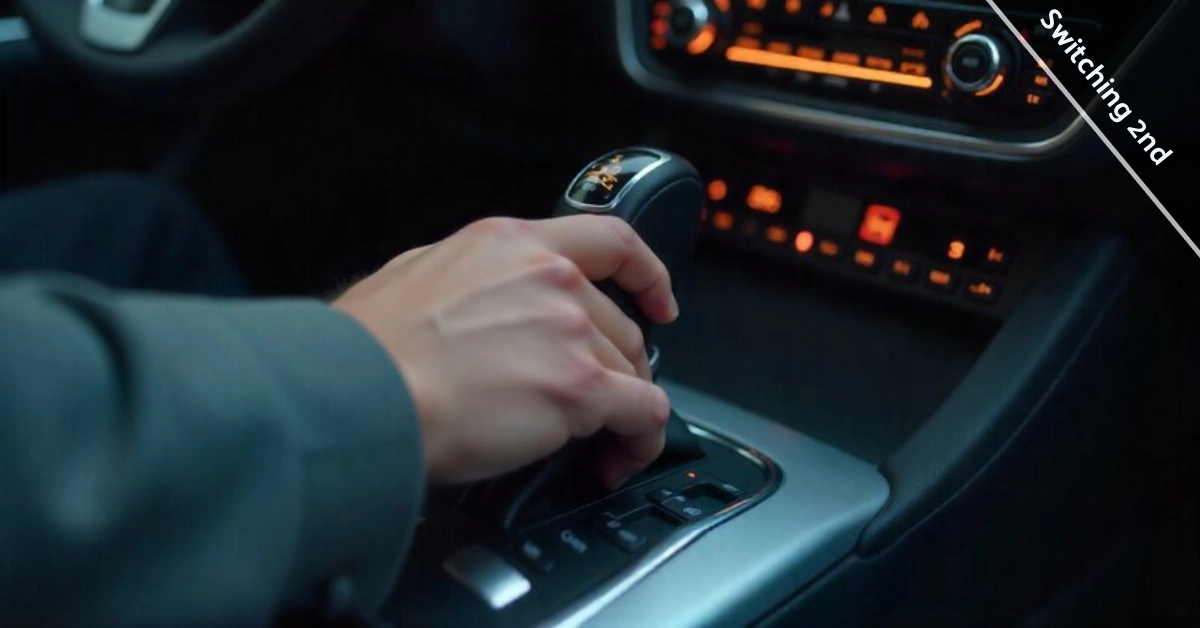
You’re cruising in first gear, engine revving loud, and you know it’s time. That moment when you shift into second gear isn’t just about driving—it’s about control, timing, and knowing when to push forward. Whether you’re behind the wheel of a manual transmission or navigating life’s tricky transitions, Switching 2nd is the skill that separates smooth operators from the rest.
This isn’t some complicated racing technique reserved for gearheads. It’s a fundamental move that every driver learns, yet so many people mess it up. The jerky stops, the grinding gears, the stalled engine at a red light—we’ve all been there. But here’s the thing: mastering this shift unlocks confidence on the road and, surprisingly, in areas of life where timing matters most.
What Switching 2nd Really Means
Switching 2nd refers to the transition from first gear to second gear in a manual transmission vehicle. First gear gets you moving from a standstill, but second gear is where you find your rhythm. It’s the sweet spot between crawling and cruising, typically happening around 10 to 15 mph or when your engine hits 2,500 to 3,000 RPM.
Think of first gear as your launch mode—high torque, low speed, all about getting momentum. Second gear takes that momentum and refines it into smoother acceleration and better control. You’re no longer just starting; you’re actually driving. The shift happens fast, but the technique behind it requires coordination between your clutch, throttle, and gear lever.
Most new drivers rush this transition or overthink it. Your car gives you cues—engine sound, vibration, speed—but you’ve got to listen. Shift too early, and you’ll stall. Shift too late, and you’re screaming at the engine for no reason. Nail the timing, though, and you’ll feel the difference immediately. The car glides instead of lurching, passengers don’t get whiplash, and you start looking like you know what you’re doing.
Why This Shift Matters More Than You Think
Smooth gear transitions aren’t just about comfort. They directly impact your vehicle’s performance, fuel efficiency, and longevity. Every time you grind gears or dump the clutch, you’re wearing down expensive components like the clutch plate, synchromesh, and transmission internals. Drive poorly for a few years, and you’re looking at repairs that cost thousands.
Fuel economy improves when you shift at the right RPM. Engines operate most efficiently within a specific range, and second gear keeps you in that zone during city driving. You’re not wasting gas by over-revving in first, and you’re not lugging the engine by shifting too soon. It’s mechanical efficiency translated into fewer trips to the gas station.
Driver confidence skyrockets once you master switching 2nd. It’s usually the first real test of manual transmission skills after you’ve figured out how to start moving. Nail this shift consistently and everything else—third, fourth, fifth—becomes easier. You start reading your car instead of fighting it, and that awareness makes you a better driver overall.
The Step-by-Step Breakdown
Start in first gear and accelerate gently. Watch your tachometer if you have one, but more importantly, listen to your engine. When it sounds like it’s working too hard—usually around 2,500 to 3,000 RPM—it’s time to shift. Press the clutch pedal all the way to the floor in one smooth motion.
While the clutch is down, move your gear lever into second gear. Don’t force it; if you’re at the right speed, it should slide in smoothly. If you feel resistance, you’re either going too slow or the clutch isn’t fully depressed. This is where beginners often grind gears and panic.
Now comes the crucial part: releasing the clutch. Do it gradually while gently applying the throttle. Too fast, and the car jerks forward. Too slow and you’ll lose momentum. The goal is synchronization—clutch up, gas down, smooth acceleration. Your foot coordination matters here more than anywhere else.
Common Mistakes That Kill Your Shift
Rushing the transition is the number one error. You’re impatient, the car behind you is too close, or you’re just nervous. So you dump the clutch, jerk forward, and make everyone in the car regret riding with you. Relax. An extra half-second of smoothness beats a fast, sloppy shift every time.
Shifting too early stalls the engine because you haven’t built enough momentum. If you try switching 2nd below 2,000 RPM, especially on an incline, the car will hesitate or die completely. Always let the engine build sufficient speed before making your move. Patience pays off here.
Not pressing the clutch all the way down causes gear grinding—that horrible metal-on-metal sound that makes experienced drivers cringe. Incomplete clutch depression means the gears are still engaged while you’re trying to shift. Over time, this damages your synchromesh and leads to costly transmission repairs. Push that pedal to the floor.
Situational Adjustments You Need to Know
City traffic requires frequent shifting between first and second. You’re constantly stopping and starting, so your clutch control needs to be sharp. Keep RPMs low, shift smoothly, and avoid riding the clutch while waiting at lights. Your left leg will get tired, but that’s part of the manual transmission experience.
Hills present a unique challenge when switching 2nd. If you shift mid-incline, you risk rolling backward or stalling. Use the handbrake technique: engage the handbrake, shift to second, release the clutch to the bite point, then release the handbrake while accelerating. It takes practice, but it prevents embarrassing rollbacks.
Performance driving changes the rules completely. Sports cars and high-performance vehicles shift at higher RPMs—sometimes 4,000 or more. You’re chasing power, not fuel economy, so you keep the engine in its sweet spot longer. Techniques like rev-matching become important for smoother, faster transitions that maintain momentum through corners.
Beyond the Mechanics: The Mental Shift
Here’s where switching 2nd becomes more than just driving. The concept applies to how you handle transitions in work, relationships, and personal growth. You start something in first gear—cautious, learning, building momentum. But eventually, you’ve got to shift into second gear: more committed, more confident, more intentional.
Athletes call it “switching gears” when they change strategy mid-game. Business professionals talk about “pivoting” when market conditions shift. It’s all the same principle: recognizing when your current approach has served its purpose, and it’s time to upgrade. You’re not abandoning what got you started; you’re building on it with better technique and timing.
The psychology behind this shift matters. Every time you successfully navigate a transition—whether in a car or in life—you strengthen your brain’s adaptability. You become comfortable with change instead of fearing it. You learn to read signals, trust your judgment, and act decisively when the moment arrives.
Mastering the Art Takes Practice
Find an empty parking lot or quiet street for practice. Flat ground eliminates the extra challenge of hills, letting you focus purely on clutch and throttle coordination. Repeat the shift 20, 30, 50 times until it becomes muscle memory. Your goal is smoothness, not speed.
Record yourself if possible. Set up your phone to capture the dashboard and your footwork. Watch the playback to identify where you’re rushing, hesitating, or losing coordination. Seeing your mistakes objectively helps you correct them faster than just feeling them out.
Drive different vehicles when you get the chance. Every manual transmission has its own personality—some clutches are light, others are heavy; some gearboxes are smooth, others are notchy. Learning to adapt your technique to different cars makes you a genuinely skilled manual driver, not just someone who knows one specific vehicle.
The Confidence Factor
Once you’ve mastered switch 2nd, everything else falls into place. Third gear? Same principle, just higher speed. Fourth and fifth? You’re just maintaining what you’ve already learned. The hard part was understanding the fundamentals: timing, coordination, listening to your engine, and feeling the clutch bite point.
This confidence extends beyond driving. When you know you can handle a tricky transition smoothly, other challenges seem less intimidating. You’ve trained yourself to stay calm under pressure, make precise movements, and trust your instincts. That’s a transferable skill that shows up in job interviews, difficult conversations, and high-stakes decisions.
People notice smooth drivers. Passengers feel the difference between someone who jerks through gears and someone who makes every shift feel effortless. It’s a subtle form of competence that communicates control and awareness—qualities that matter whether you’re driving or leading a project at work.
Why Manual Transmission Still Matters
In a world moving toward automatics and electric vehicles, manual transmission might seem outdated. But the skills you develop—timing, coordination, mechanical awareness—remain valuable. You’re actively engaged with your vehicle instead of being a passive operator. You understand how machines respond to input and how small adjustments create big differences.
Switching 2nd teaches you that mastery comes from repetition and attention to detail. There’s no shortcut, no automatic mode that does the work for you. You either learn the technique, or you don’t. And when you finally get it right consistently, the satisfaction is real.
Final Thoughts
Switching 2nd is where driving gets real. It’s the moment you stop being a complete beginner and start becoming an actual driver. The shift from first to second gear tests your coordination, timing, and ability to read your vehicle’s signals. Get it right, and everything flows smoothly. Get it wrong, and everyone knows.
But this skill isn’t just about moving a lever and pressing pedals. It’s about understanding transitions, respecting timing, and building the kind of confidence that shows up everywhere. Whether you’re navigating city traffic or life’s bigger shifts, the principle remains the same: recognize the moment, trust your preparation, and execute smoothly.
Master this one shift, and you’ll find yourself approaching challenges differently. You’ll stop overthinking and start feeling. You’ll recognize when it’s time to move forward and when to hold steady. And that awareness—knowing when to shift and how to do it right—changes everything both on the road and off it.
