
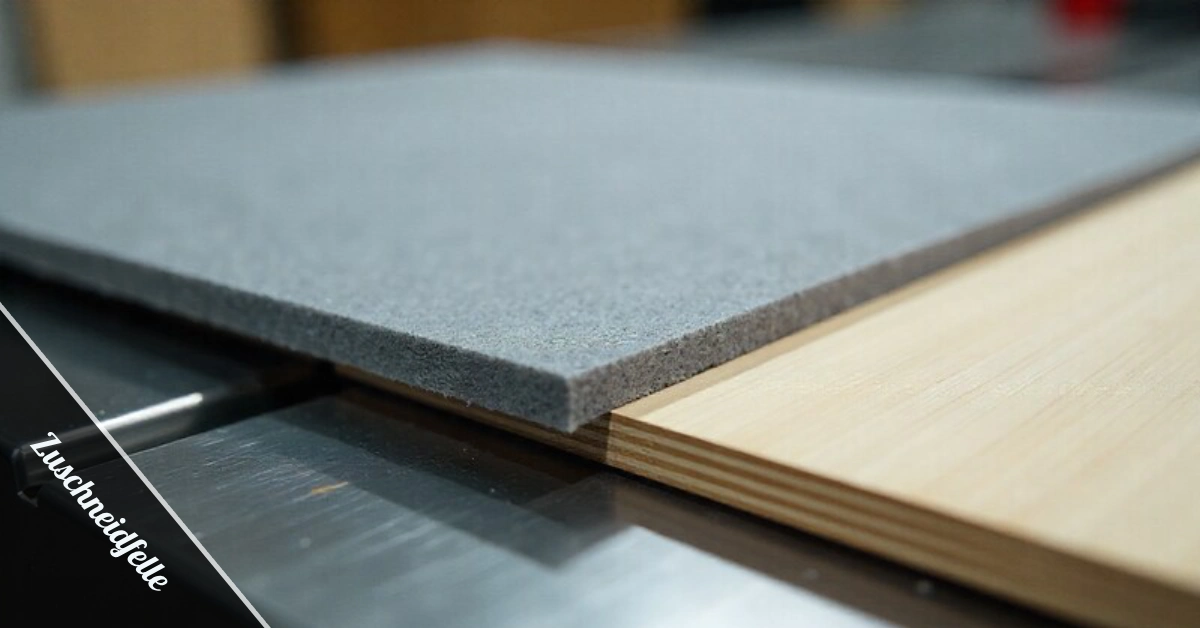
Zuschneidfelle are felt pads placed on panel saw tables to protect wood surfaces during cutting. Made from wool or synthetic felt in thicknesses of 2–10mm, they prevent scratches and ensure smooth material gliding. Essential in professional carpentry shops.
Walk into any professional carpentry shop in Germany, Austria, or Switzerland, and you’ll find a Formatkreissäge (panel saw) at its center. But look closer at the sliding table, and you’ll notice something many woodworkers overlook: thin felt pads covering the metal surface.
These felt pads are Zuschneidfelle—a simple yet critical component that protects expensive wood panels from scratches and ensures smooth material movement during cuts. Without them, every sheet of melamine, veneer, or fine hardwood risks surface damage before the blade even touches it.
For professional woodworkers and serious hobbyists, understanding Zuschneidfelle means protecting your materials, improving cut quality, and avoiding costly mistakes. This guide covers everything you need to know about selecting, installing, and maintaining these essential workshop accessories.
What Are Zuschneidfelle and Why Do Woodworkers Need Them?
Zuschneidfelle are felt pads—typically made from pressed wool or synthetic fibers—that cover the metal surfaces of panel saw tables, particularly on sliding tables and support surfaces where workpieces rest during cutting.
The primary function is surface protection. When you slide a sheet of expensive veneered plywood or melamine-coated particleboard across a bare metal table, even microscopic irregularities can create scratches. A single damaged panel can cost €50–200 in material alone, not counting lost time or client dissatisfaction.
Beyond scratch prevention, Zuschneidfelle provide smooth gliding. Properly installed felt creates a low-friction surface that allows panels to move effortlessly across the table. This smooth movement translates to better control during cuts and reduced physical strain when handling large, heavy sheets.
You’ll find these felts on Formatkreissägen (panel saws with sliding tables), outfeed tables, and any surface where finished materials make contact during processing. Professional shops replace them regularly—typically every 6–18 months, depending on usage intensity.
The cost of neglecting Zuschneidfelle shows up quickly. A single scratched veneer panel on a custom cabinet project can turn a profitable job into a loss. Multiply this across dozens of projects annually, and the return on a €30–80 felt investment becomes obvious.
Materials and Types: Choosing the Right Felt
Not all felt performed equally in a workshop environment. The two main categories are wool felt and synthetic felt, each with distinct characteristics.
Wool felt comes from pressed sheep’s wool and offers natural resilience. The fibers compress under weight but spring back between uses, maintaining consistent thickness longer. Wool also absorbs vibration better than synthetic alternatives, which can contribute to cleaner cuts on sensitive materials. The natural lanolin in wool provides some inherent dust resistance, though this diminishes over time. Professional-grade wool felt typically costs €40–80 per square meter.
Synthetic felt, usually made from polyester or polypropylene fibers, offers consistency and lower cost. These felts resist moisture better than wool and don’t compress permanently as quickly. Synthetic options typically run €20–50 per square meter. The trade-off comes in feel—synthetic felt often feels slightly “harder” under workpieces and may not absorb vibration as effectively.
Thickness matters significantly. Standard options range from 2mm to 10mm:
- 2–3mm felt: Best for outfeed tables and auxiliary surfaces where weight isn’t an issue. Not suitable for the main sliding tables on professional machines.
- 5mm felt: The most common choice for sliding tables on mid-range panel saws. Balances protection with smooth gliding.
- 8–10mm felt: Reserved for heavy-duty applications processing thick hardwood panels or sheet goods weighing 50+ kg.
Self-adhesive felt simplifies installation but costs 20–30% more. The adhesive backing works well for permanent installations but makes replacement more labor-intensive when the felt wears out. Non-adhesive felt requires contact cement or specialized adhesives but allows easier removal and replacement.
When to Choose Wool vs. Synthetic Felt
Choose wool felt when processing high-end materials (fine veneers, lacquered panels) where maximum surface protection justifies the higher cost. The superior compression resistance means less frequent replacement, offsetting the initial price difference.
Choose synthetic felt for budget-conscious setups, high-moisture environments, or when processing rough lumber and construction-grade materials where premium protection isn’t critical. Synthetic also makes sense for hobbyists who can’t justify wool felt prices for occasional use.
Signs Your Zuschneidfelle Need Replacement
Felt doesn’t fail catastrophically—it degrades gradually. Recognizing early warning signs prevents damage to valuable materials.
Visual indicators tell most of the story. Compress the felt with your thumb. Fresh felt springs back immediately. Worn felt stays compressed or rebounds slowly, indicating the fibers have lost their structure. Look for shiny, compacted areas where panels slide most frequently. These compressed zones no longer provide adequate protection.
Tears and holes obviously require immediate replacement, but also watch for fraying edges where felt meets metal fixtures. Once edge integrity fails, the felt begins peeling or catching on workpieces.
Performance issues often appear before visual damage becomes obvious. If you notice fine scratches appearing on panel undersides despite careful handling, your felt has compressed beyond effectiveness. Increased resistance when sliding panels signals either dirt accumulation in the felt fibers or permanent compression.
Listen to your saw. New or well-maintained felt allows panels to glide almost silently. Worn felt creates subtle scraping sounds as panels move across compressed or damaged areas.
Typical lifespan varies dramatically by usage. A professional shop running 8–10 hours daily might replace felt every 6–9 months. A well-equipped hobbyist cutting panels weekly might get 2–3 years from quality felt. High-volume commercial operations processing hundreds of panels daily may need quarterly replacement.
The cost calculation favors proactive replacement. A €60 felt replacement every 12 months costs far less than a single ruined €150 veneer panel or lost client relationship. Most professionals schedule felt replacement during annual machine maintenance.
How to Install and Maintain Zuschneidfelle
Proper installation extends felt life and ensures maximum protection. Rush the process, and you’ll see premature wear or poor performance.
Start by measuring your saw table accurately. Remove any existing felt completely—leaving remnants creates uneven surfaces. Clean the metal surface thoroughly with a degreaser to remove oil, sawdust, and adhesive residue. Any contamination prevents proper adhesion and creates bumps under the new felt.
For self-adhesive felt, work slowly. Position one edge precisely, then gradually press down while smoothing outward to prevent air bubbles. Use a roller or smooth block to apply firm, even pressure across the entire surface.
Non-adhesive felt requires contact cement or specialized felt adhesive. Apply thin, even coats to both the metal surface and felt backing. Let the adhesive dry to the touch (typically 10–15 minutes), then carefully position the felt. Once contact occurs, repositioning becomes nearly impossible, so accuracy matters.
Cutting felt requires sharp tools. Dull knives create compressed, ragged edges that peel prematurely. Use a straightedge and a fresh utility knife blade, making multiple shallow cuts rather than attempting to slice through in one pass.
Allow adhesive to cure for 24 hours before heavy use. Immediate loading can shift the felt before bonding completes.
Maintenance extends the felt life significantly. Vacuum or brush dust from felt surfaces weekly. Accumulated sawdust acts like sandpaper, accelerating wear. Never use solvents or aggressive cleaners—they break down felt fibers and adhesives. A dry brush or shop vacuum provides adequate cleaning.
Inspect monthly for developing problems. Catching small tears early allows spot repairs rather than complete replacement. Some professionals apply thin CA glue to small tears, though this creates hard spots that may eventually damage panels.
Professional installation makes sense for large or complex tables. Shops specializing in woodworking machinery often include felt replacement during annual service visits, typically charging €100–200 for labor and materials on standard panel saws.
Common Mistakes When Working with Zuschneidfelle
Even experienced woodworkers make preventable errors when dealing with felt pads.
Choosing insufficient thickness ranks as the most common mistake. A 2mm felt might seem adequate for a sliding table, but under the repeated pressure of 30–50kg panels, it compresses to near-zero thickness within weeks. The short-term cost savings vanish when you’re replacing felt monthly instead of annually.
Poor adhesive application creates persistent problems. Too little adhesive, and the felt peels at the edges or develops bubbles. Too much adhesive squeezes out at the edges, creating sticky spots that trap sawdust and eventually tear the felt. Follow manufacturer guidelines precisely—adhesive application is not an area for improvisation.
Many woodworkers ignore wear patterns for too long. The human tendency to rationalize (“it’s still working well enough”) leads to processing expensive materials with inadequate protection. Set a calendar reminder to inspect felt quarterly, and stick to it.
Using inappropriate alternatives rarely ends well. Some woodworkers try carpet padding, foam sheets, or rubber mats as cheap substitutes. These materials either compress too easily (foam), create too much friction (rubber), or fall apart under workshop conditions (carpet padding). Purpose-made felt exists for good reasons.
Misalignment with cutting paths causes premature wear. Felt wears fastest along the most-traveled paths. If you can offset the felt position during replacement to distribute wear across fresh areas, the felt lasts longer. Many woodworkers simply replicate the old position, creating the same wear pattern.
Neglecting edge sealing accelerates failure. Once an edge begins lifting, sawdust works underneath, creating a lifting point that spreads. Trimming felt slightly short of table edges (1–2mm) or sealing edges with thin CA glue prevents this progressive failure.
Where to Buy Quality Zuschneidfelle
Sourcing quality felt matters more than many woodworkers realize. Cheap felt from general industrial suppliers often lacks the density and resilience needed for panel saw applications.
Specialized woodworking suppliers stock proper Zuschneidfelle. In German-speaking markets, companies like dictum, Holzprofi, and Felder-Group offer machine-specific felt in various thicknesses. These suppliers understand the application and stock appropriate grades.
Machine manufacturers often sell OEM felt specifically sized for their equipment. Brands like Altendorf, Martin, Panhans, and SCM offer replacement felt kits that match original specifications. While typically more expensive than generic options, OEM felt guarantees proper fit and performance.
Online marketplaces like eBay, Kleinanzeigen, or specialized woodworking forums sometimes offer bulk felt at reduced prices. This works well if you’re comfortable cutting to size, but verify specifications before purchasing. Not all industrial felt suits woodworking applications.
Technical felt suppliers serve industrial clients but also sell to woodworkers. Look for felt described as “technical wool felt” or “industrial press felt” with density specifications around 0.35–0.45 g/cm³. This density range provides the right balance of protection and compression resistance.
Price ranges vary by material and thickness. Budget €25–40 per square meter for acceptable synthetic felt, €40–60 per square meter for good-quality wool felt, and €60–80+ per square meter for premium German-made wool felt. A typical sliding table requires 0.5–1.5 square meters, so expect to spend €40–120 for a complete replacement.
Quality indicators include consistent thickness (±0.5mm tolerance), uniform density when compressed, clean edges without loose fibers, and accurate product specifications from the seller. If the supplier can’t tell you the density or composition, shop elsewhere.
Consider buying slightly more felt than needed. Having extra allows for mistakes during installation or future repairs without ordering again and paying shipping multiple times.
Conclusion
Zuschneidfelle represent a small investment that protects much larger ones. A €60 felt pad shields thousands of euros worth of materials from damage while improving your control and efficiency at the panel saw.
Professional woodworkers understand this equation instinctively—they budget for regular felt replacement as routine maintenance, not an optional expense. Hobbyists benefit equally, even if replacement cycles stretch longer due to less intensive use.
The return shows up in multiple ways: unmarked panels emerging from every cut, effortless material handling that reduces fatigue, and the confidence to process expensive materials without anxiety about surface damage.
Take 10 minutes this week to inspect your panel saw’s felt surfaces. Press with your thumb. Look for compression, tears, or shiny, worn spots. Run your hand across the surface and feel for rough areas or inconsistencies. If you find issues, replacement costs far less than the next scratched panel will.
Your next project—and your profit margin—will thank you.
