

Jyokyo: The Japanese Art of Reading the Room (And Why You Need It)
Have you ever walked into a meeting and just know something’s off? That’s jyokyo at work. It’s the Japanese concept of situational awareness—the ability to read context, adapt your...

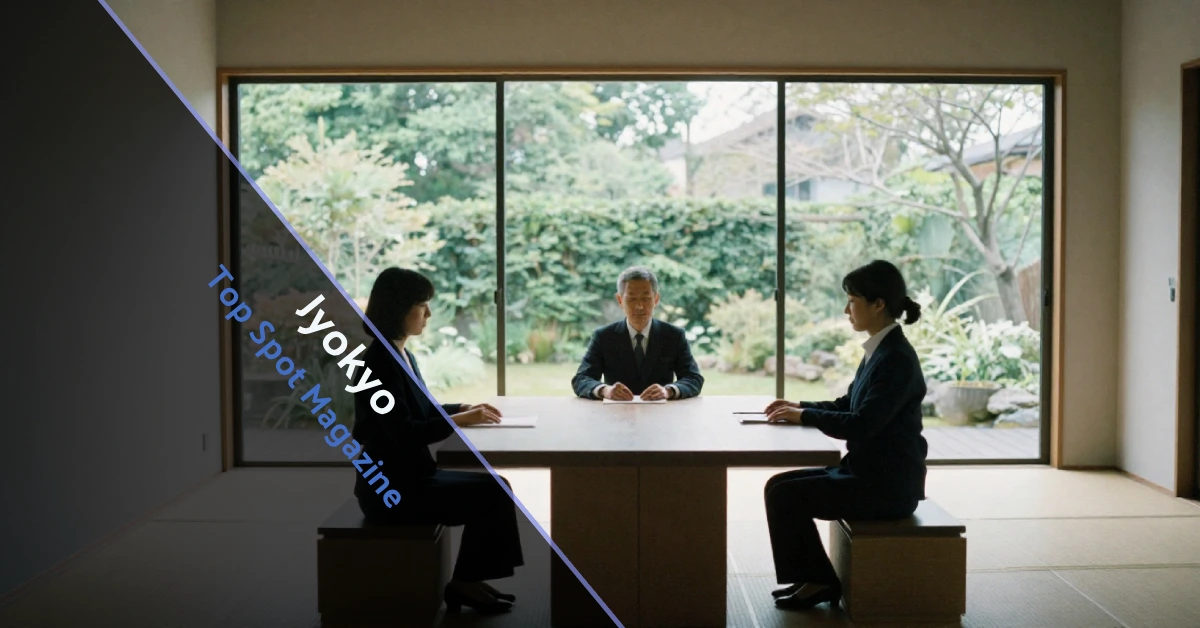
Have you ever walked into a meeting and just know something’s off? That’s jyokyo at work. It’s the Japanese concept of situational awareness—the ability to read context, adapt your vibe, and move through life without stepping on conversational landmines.
Table Of Content
- What Jyokyo Really Means
- Why Context Matters More Than You Think
- Jyokyo in Business: Your Professional Wingman
- Everyday Jyokyo: How It Shows Up in Real Life
- Traditional Practices Built on Jyokyo
- Modern Jyokyo: Still Relevant, Still Evolving
- How to Apply Jyokyo in Your Own Life
- The Bigger Picture: Why Jyokyo Matters Now
Think of it as your social cheat code. Whether you’re navigating a tense Zoom call, planning a trip to Tokyo, or just trying to figure out why your friend group suddenly went quiet, understanding jyokyo gives you an edge. It’s not about being fake or overly cautious—it’s about being present, observant, and intentional with how you show up.
This post breaks down what jyokyo actually means, where it comes from, and how you can use it to level up your communication game—no matter where you are in the world.
What Jyokyo Really Means
Jyokyo (状況) translates to “situation” or “condition,” but that’s like calling sushi “fish and rice.” Technically true, but you’re missing the whole experience. The term combines two kanji: 状 (jou), meaning “state,” and 況 (kyo), meaning “circumstance.” Together, they describe not just what’s happening, but the quality of what’s happening.
It’s about the visible and invisible forces shaping the moment. The mood in the room. The unspoken tension. The cultural expectations hover over a conversation like a cloud. When someone in Japan says “genzai no jyokyo” (the current situation), they’re inviting you to look deeper than surface-level facts.
In Japanese culture, jyokyo reflects core values like harmony (wa), respect, and collective awareness. It’s less about reporting what happened and more about understanding why it matters right now. That’s the difference between knowing the weather and knowing whether to bring an umbrella.
Why Context Matters More Than You Think
Japanese communication is famously indirect. There’s an art to “reading the air” (kuuki wo yomu)—picking up on nonverbal cues and adjusting your behavior to fit the group’s energy. Jyokyo is the linguistic embodiment of that practice.
It encourages you to pause before reacting. To notice who’s in the room, what energy they’re bringing, and how your words might land. In a collectivist society like Japan, maintaining social cohesion isn’t just polite—it’s essential. Understanding workplace etiquette in Japan often hinges on mastering this skill.
But here’s the thing: this isn’t just a Japanese concept. We all navigate jyokyo every day. You text differently with your boss than with your best friend. You adjust your tone at a funeral versus a birthday party. You’re already practicing situational awareness—you just didn’t have a word for it.
Jyokyo in Business: Your Professional Wingman
In Japanese professional settings, jyokyo is your secret weapon. Business language is loaded with situational phrases that frame information politely and hedge commitments without sounding wishy-washy. Terms like “keiei no jyokyo” (business conditions) and “shijou no jyokyo” (market conditions) pop up constantly in reports and briefings.
Why does this matter? Because jyokyo-language lets managers communicate uncertainty or propose changes without pointing fingers. Meetings often start with context-setting: current conditions, potential risks, and consensus-seeking. This reduces abruptness and fosters collective decision-making.
For international professionals, this can feel frustratingly vague. But it’s not evasion—it’s strategic. Cross-cultural communication in Japanese workplaces thrives on conditional phrasing that preserves flexibility and reduces confrontation. Next time you’re working with Japanese colleagues, match their formality and use phrases like “depending on the situation” to signal cultural fluency.
Written reports frame recommendations as contingent on circumstances. This isn’t about covering your ass—it’s about choosing language that fits the moment and respects the group’s dynamic. That’s jyokyo in action.
Everyday Jyokyo: How It Shows Up in Real Life
Outside the boardroom, Jyokyo gets casual. Among friends, you’ll hear “ashita no jyokyo shidai da ne” (it depends on tomorrow’s situation) when plans are tentative. Or someone might ask “jyokyo wa dou?” (What’s the situation?) as a friendly check-in.
The tone shifts depending on context. Formal settings demand respectful grammar and hedging. With friends, phrasing is shorter and more direct. Family and social life are full of seasonal considerations—weather, festivals, holidays—that shape everyday planning. That’s another form of jyokyo: adjusting plans to the environment.
If someone looks tired or upset, Japanese people often give space rather than probing. It’s not indifference—it’s situational sensitivity. Cultural nuances in Japanese daily life teach you that silence can be kindness, not coldness.
Understanding these distinctions prevents awkward misreads. You’re not being ignored; they’re respecting your boundaries while staying emotionally available. It’s a subtle but powerful way to show care.
Traditional Practices Built on Jyokyo
Japanese traditions embed jyokyo principles into rituals that have survived centuries. The tea ceremony (chanoyu) is a masterclass in situational awareness. Every movement, every object, every pause is chosen for the moment—pot placement, seating, the season’s flowers. It teaches participants to align behavior with context.
Calligraphy (shodo) demands sensitivity to the brush, paper, and occasion. The stroke, pressure, and rhythm reflect your inner state and focus on the present moment. It’s less about perfect technique and more about honoring the specific circumstances of your practice.
Seasonal festivals like Tanabata mark communal mood shifts. Observing the season and local customs is part of acting appropriately for the occasion. Traditional Japanese arts aren’t just hobbies—they’re training grounds for attention to context. They cultivate the habit of adjusting action to fit the moment and place.
These practices teach you that every situation deserves its own response. There’s no one-size-fits-all approach to life—and that’s the point.
Modern Jyokyo: Still Relevant, Still Evolving
Jyokyo hasn’t disappeared into the past. It’s adapted to modern life in surprising ways. Contemporary Japanese designers infuse traditional sensibilities into clothes and interiors—choices shaped by season, setting, and audience. Minimalist aesthetics and attention to materials reflect jyokyo’s emphasis on context.
Many modern cafés and restaurants focus on seasonality and presentation. The food experience becomes deliberately situational—an invitation to savor the moment. Wellness programs, yoga studios, and meditation centers borrow from Zen and traditional attention practices. It’s urban jyokyo, reframed for stress reduction.
Even anime and films portray characters navigating social cues. Viewers learn situational awareness indirectly through narrative examples. Modern Japanese culture shows that jyokyo remains relevant, shaping how people live and consume culture.
The digital age brings new jyokyo challenges. Social media etiquette requires you to adjust formality depending on the platform and group. Twitter posts are casual; company statements are formal. Online meetings demand new context awareness: camera backgrounds, mute behavior, chat tone. Jyokyo helps you navigate what’s appropriate in hybrid work settings.
How to Apply Jyokyo in Your Own Life
Ready to level up your situational awareness? Start small. Before reacting to a tense email or a loaded comment, pause for ten seconds. Observe tone, body language, and timing. That’s your jyokyo check-in.
At work, frame feedback with conditions. Use phrases like “we’ll consider it after seeing how things develop” to soften proposals and permit flexibility. Match your colleague’s formality to avoid jarring transitions. This isn’t being fake—it’s being strategic about how your words land.
While traveling in Japan, observe public norms. Speak quietly on trains. Follow queueing rules. Ask gently with phrases like “sumimasen, ima wa daijoubu desu ka?” (excuse me, is now a good time?). These small gestures show respect for others’ situations.
In relationships, notice mood before problem-solving. If someone seems withdrawn, offer space rather than immediate advice. Use timing to your advantage—bringing up difficult topics when both parties are calm yields better outcomes. That’s jyokyo in action: choosing the right moment for the right conversation.
For personal mindfulness, use your environment as a cue. Align small rituals—breath, tea, a pause—to the moment. The season, the weather, and the people present. Practice non-immediate reaction. Build the habit of observing before responding. It reduces misunderstandings and reactive speech.
The Bigger Picture: Why Jyokyo Matters Now
We live in a hyperconnected world where cultural literacy is currency. Understanding jyokyo gives you a practical model for mindful social interaction anywhere. It’s not about becoming Japanese—it’s about borrowing a time-tested framework for reading context and adapting behavior.
Mindfulness movements worldwide emphasize presence and non-reactivity. Jyokyo adds a social dimension: align your awareness with respect for others. That small shift—from reacting to responding—changes conversations, relationships, and ultimately how you move through the world.
For professionals working internationally, jyokyo-aware communication smooths collaboration. Contextual updates, respectful hedging, consensus-seeking—these aren’t signs of weakness. They’re signs of emotional intelligence and cultural fluency. Global business etiquette increasingly values these skills.
Jyokyo teaches that no moment exists in isolation. Every action, decision, and thought is influenced by context. Living according to this principle means pausing, breathing, observing the situation, and reacting thoughtfully rather than impulsively. It’s not passive—it’s strategic interpersonal intelligence.
Jyokyo isn’t some mystical Japanese secret. It’s a practical skill: notice first, then act in ways that respect the moment and the people in it. Whether you’re navigating a boardroom, a train car, or a group chat, this mindset changes how you show up. And that changes everything.







No Comment! Be the first one.