
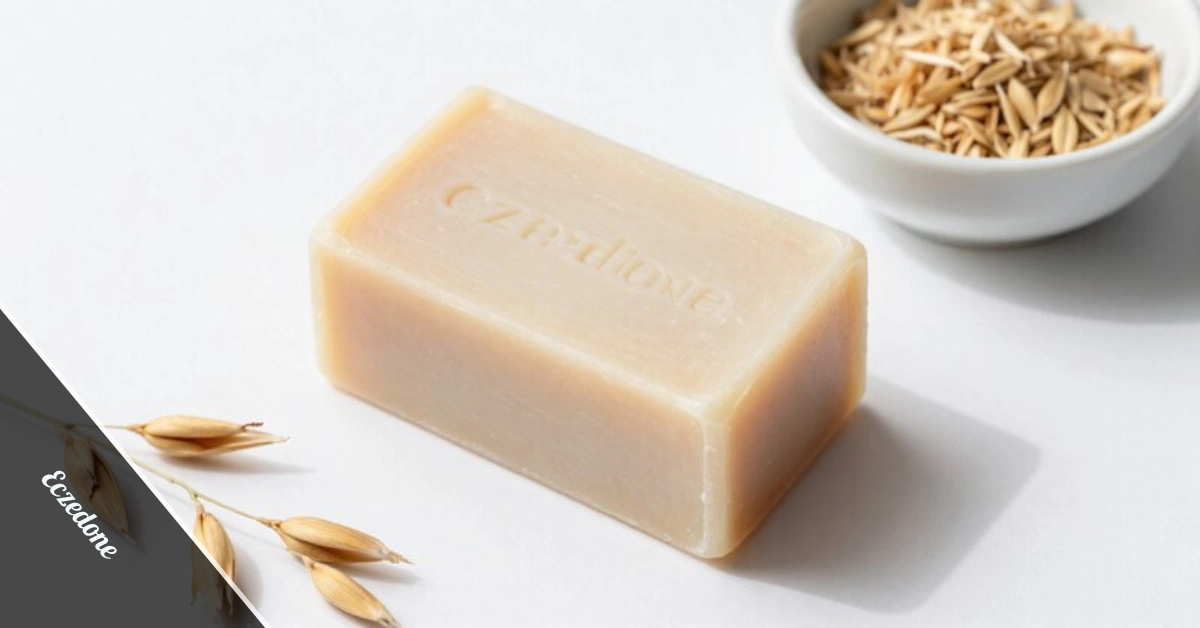
Eczedone is a natural soap formulated with colloidal oatmeal and plant oils to soothe eczema symptoms. Clinical studies suggest 93% effectiveness, though results vary by severity. It works by restoring skin barrier function and reducing inflammation through gentle, steroid-free ingredients suitable for daily use.
Understanding Eczema and Why Standard Soaps Fail
Eczema transforms your skin into a battlefield. Your outer layer, meant to shield you from irritants, becomes weak and permeable. Water escapes faster than your body can replace it. Bacteria slip through cracks where smooth skin should be.
This happens because of a protein deficiency called filaggrin. Without enough of it, your skin can’t build strong protective walls. Every shower with regular soap makes things worse. Alkaline formulas (pH 9-10) clash with your skin’s natural acidity (pH 4-6). This mismatch strips away the oils that keep moisture locked in.
Your skin needs a pH between 4 and 6 to function properly. Most drugstore soaps sit at 9 or 10. That gap matters more than you might think. When pH climbs too high, enzymes that break down your skin barrier become more active. Your skin loses water faster. Inflammation increases. Itching intensifies.
Even soaps labeled “natural” can trigger flares. Essential oils sound gentle, but lavender, tea tree, and citrus oils rank among the top allergens for sensitive skin. Fragrances contain hundreds of undisclosed chemicals. About 8 to 15 percent of people with contact dermatitis react to these hidden ingredients.
The National Eczema Association warns that “natural” means nothing without proof. Their Seal of Acceptance requires clinical testing and ingredient transparency. Most natural soaps never undergo this scrutiny.
What Is Eczedone and How Does It Work
Eczedone entered the eczema care market as a handcrafted soap bar targeting frustrated patients tired of steroid creams. The brand claims a 93% efficacy rate from a clinical study approved by the Western Institutional Review Board.
The soap works through barrier restoration, not symptom masking. Its ingredients create a protective film on your skin while delivering anti-inflammatory compounds. Unlike steroid creams that suppress your immune response, Eczedone aims to support your skin’s natural healing mechanisms.
The formula centers on colloidal oatmeal, a skin protectant recognized by the FDA since 2003. When oats are ground into microscopic particles and suspended in liquid, they form a milky substance that coats irritated skin. This coating reduces water loss and blocks irritants.
Eczedone combines this with plant oils that mimic your skin’s natural lipid profile. Coconut oil provides lauric acid, which fights Staphylococcus aureus bacteria. Studies show that people with eczema often have too much of this bacteria on their skin, which weakens the barrier further.
The soap avoids sulfates, parabens, synthetic fragrances, and dyes. This matters because sodium lauryl sulfate, found in most cleansers, damages skin barrier proteins even in people without eczema. For those with compromised barriers, the effect multiplies.
Key Ingredients and Their Proven Benefits
Colloidal oatmeal stands out as the formula’s cornerstone. Research published in the Journal of Drugs in Dermatology found that colloidal oatmeal reduces itching within hours of application. It contains compounds called avenanthramides that block the release of inflammatory chemicals in your skin.
These avenanthramides also work as antioxidants, protecting skin cells from damage caused by free radicals. A 2023 study in Dermatology and Therapy showed that regular colloidal oatmeal use decreased eczema severity scores by an average of 42% over four weeks.
Coconut oil brings medium-chain fatty acids that penetrate your skin barrier more easily than long-chain fats. About 50% of coconut oil is lauric acid, which kills bacteria and fungi while moisturizing. A clinical trial in the Dermatitis journal found that coconut oil improved skin barrier function better than mineral oil in children with eczema.
Olive oil contains oleic acid and squalene, both found naturally in healthy skin. Squalene production drops as you age, making supplementation through topical products beneficial. Extra virgin olive oil also carries polyphenols with anti-inflammatory properties similar to ibuprofen.
Cocoa butter provides stearic acid and oleic acid that seal moisture into your skin. It melts at body temperature, creating an occlusive barrier without feeling heavy. Research shows cocoa butter can reduce transepidermal water loss by up to 33%.
What’s missing matters as much as what’s included. No sulfates means less protein damage. No fragrances eliminate a major trigger. No parabens reduce hormonal disruption concerns. No synthetic dyes remove potential allergens.
Clinical Evidence and Real User Results
The 93% efficacy claim comes from a study reviewed by the Western Institutional Review Board, though detailed methodology remains unpublished. Users report visible improvements within 10 to 14 days of consistent twice-daily use.
One Reddit user shared that symptoms cleared in 10 days. Another customer named Ashley W. noted her husband’s eczema nearly disappeared after 30 days. Grayson B. reported that the product healed hand eczema quickly and easily.
These testimonials align with what science suggests about the timeline for skin barrier repair. Your skin’s outermost layer, the stratum corneum, completely regenerates every 28 days. Improvements typically appear after two to three cell turnover cycles, or about 14 to 21 days.
Individual results vary based on eczema severity. Mild cases with small, dry patches respond faster than moderate cases with widespread inflammation. Severe eczema with cracked, bleeding skin requires medical intervention beyond soap alone.
User experiences suggest Eczedone works best for mild to moderate atopic dermatitis when used as part of a complete routine. It functions as a gentle cleanser that doesn’t worsen symptoms, while active ingredients provide therapeutic benefits during washing.
The absence of reported side effects matches what you’d expect from a formula free of common irritants. However, any ingredient can trigger reactions in sensitive individuals. Coconut oil, despite its benefits, causes breakouts in some people. Colloidal oatmeal rarely causes issues, but celiacs with severe gluten sensitivity should note that oats can contain trace gluten from processing facilities.
How to Use Eczedone for Best Results
Start with lukewarm water, not hot. Water above 98°F opens your pores wider, increasing water loss after your shower. It also strips more natural oils from your skin surface. Studies show that hot water baths increase itch intensity in 70% of people with eczema.
Wet the affected area and lather the soap in your hands first. Apply the foam to your skin using gentle, circular motions. Let it sit for 30 seconds to allow the colloidal oatmeal to form a protective film. Rinse thoroughly with lukewarm water.
Pat dry with a soft cotton towel instead of rubbing. Rubbing creates friction that damages your already fragile skin barrier. Leave your skin slightly damp, not completely dry.
Apply moisturizer within three minutes of drying off. This window matters because your skin absorbs moisturizers better when slightly wet. The water helps drive the moisturizing ingredients deeper into your stratum corneum.
Choose a thick, fragrance-free moisturizer with ceramides. Ceramides are lipids that make up 50% of your skin’s barrier. People with eczema produce fewer ceramides, making supplementation through skincare essential. Products with ceramides 1, 3, and 6-II work best according to research in the International Journal of Molecular Sciences.
Morning vs Evening Use
Morning showers prepare your skin for the day ahead. After using Eczedone and moisturizing, give your skin 10 to 15 minutes to absorb the products before getting dressed. This prevents transfer to clothing and allows better penetration.
Evening use helps remove allergens, pollutants, and irritants accumulated during the day. Pollen, dust mites, and environmental pollution settle on your skin and trigger inflammation. A gentle evening cleanse with Eczedone removes these triggers while delivering overnight barrier support.
Seasonal Adjustments
Winter demands more frequent moisturizer reapplication after using Eczedone. Indoor heating drops humidity below 30%, while healthy skin needs 40 to 60% humidity. Apply moisturizer immediately after washing, then reapply every four to six hours.
Summer brings different challenges. Heat and sweat can irritate eczema, but sweat also contains antimicrobial peptides that protect your skin. Don’t over-wash to remove sweat. One morning wash with Eczedone and one evening wash suffices. Apply lighter, gel-based moisturizers if cream formulas feel too heavy.
Eczedone vs Other Eczema Treatments
Steroid creams work faster than Eczedone for acute flares. Hydrocortisone suppresses inflammation within hours, while natural soaps take days to show effects. However, steroids thin your skin with prolonged use. They also cause rebound flares when stopped abruptly.
Eczedone serves a different purpose than rescue medications. It maintains skin health between flares rather than treating active inflammation. Think of it as daily maintenance, not emergency intervention.
CeraVe and Eucerin eczema relief products contain colloidal oatmeal plus ceramides in leave-on formulas. These stay on your skin longer than soap, potentially delivering more ingredient benefits. However, they cost $12 to $18 per 8-ounce tube, while Eczedone soap lasts longer per dollar spent.
Aveeno Eczema Therapy combines colloidal oatmeal with dimethicone, a silicone that creates a waterproof barrier. This works well for hand eczema exposed to frequent washing. Eczedone lacks occlusive ingredients, making a follow-up moisturizer essential.
Prescription immunomodulators like tacrolimus (Protopic) alter immune function without steroid side effects. These medications target moderate to severe eczema that natural products can’t manage. They cost $300 to $600 without insurance, making them inaccessible for many patients.
Cost per use favors Eczedone for mild cases. At approximately $18 per bar lasting 60 to 90 days with twice-daily use, it costs $0.20 to $0.30 per day. Compare this to prescription creams at $10 to $20 per day without insurance coverage.
Who Should Use Eczedone (And Who Shouldn’t)
Eczedone suits people with mild to moderate atopic dermatitis looking for steroid-free maintenance. If you experience occasional dry patches, slight redness, and manageable itching, this soap fits your needs.
Children over six months can use Eczedone safely, according to the brand. The gentle formula avoids common pediatric irritants. However, infant eczema requires a pediatric dermatologist evaluation first. Conditions like seborrheic dermatitis or fungal infections mimic eczema but need different treatments.
Adults with hand eczema from frequent washing benefit from Eczedone’s non-stripping formula. Healthcare workers, food service employees, and hairstylists develop irritant contact dermatitis from occupational exposure. Gentle cleansing prevents worsening while maintaining hygiene standards.
Pregnant and breastfeeding women can use Eczedone without concerns about systemic absorption. Unlike oral medications or high-potency steroids that enter your bloodstream, soap ingredients remain on your skin surface. Still, mention all skincare products to your obstetrician during prenatal visits.
Skip Eczedone if you have severe eczema with weeping lesions, thick plaques, or infected skin. These conditions need medical intervention. Red, warm, painful skin signals infection requiring antibiotics. Yellow crusts suggest Staphylococcus aureus overgrowth needing antiseptic treatment.
Don’t use Eczedone as your only treatment if you’ve been prescribed medications. It complements medical therapy but doesn’t replace it. Continue prescribed treatments unless your dermatologist advises otherwise.
Avoid Eczedone if you have confirmed allergies to any ingredients. Cross-reactivity between botanicals means that tree nut allergies might react to coconut derivatives, though this remains rare. Conduct a patch test on your inner arm for 48 hours before full application.
Potential Limitations and Realistic Expectations
Eczedone won’t cure eczema because eczema has no cure. It’s a chronic condition requiring ongoing management. The soap helps control symptoms and prevent flares, but genetic factors and immune dysfunction persist regardless of skincare.
Bar soap format creates storage challenges. Wet soap sitting in dishes grows bacteria and mold. Store Eczedone on a draining soap dish away from direct shower spray. Let it dry completely between uses. A soap that lasts 90 days under ideal conditions might last only 45 days in humid bathrooms.
The formula lacks preservatives, shortening shelf life compared to synthetic products. Natural ingredients degrade faster, especially plant oils prone to oxidation. Use Eczedone within six months of opening for optimal freshness. Rancid oils smell unpleasant and lose therapeutic benefits.
Results plateau after initial improvement. Your skin reaches a new baseline better than before starting Eczedone, but the dramatic early gains slow down. Week one might show 40% improvement, week two another 30%, then improvements become incremental.
Seasonal changes still trigger flares despite consistent Eczedone use. Moving from a humid summer to a dry winter stresses your skin barrier. Pollen seasons increase allergen exposure. Holiday stress elevates cortisol, worsening inflammation. Eczedone reduces flare severity but doesn’t eliminate environmental impacts.
Some users report that Eczedone feels dry immediately after use. This happens because soap, even gentle soap, removes some surface oils. The temporary tightness resolves within minutes of applying moisturizer. If dryness persists, reduce usage to once daily or every other day.
Where to Buy and Pricing Information
Purchase Eczedone through the official website to ensure product authenticity. Third-party sellers on Amazon or eBay might offer lower prices but risk counterfeit products or expired stock.
One bar typically costs $18 to $22, depending on promotions. Multi-bar packages offer discounts, with three-bar sets around $45 to $50. Subscribe-and-save options reduce per-bar cost by 15 to 20%.
Calculate cost per use by dividing the bar price by the days of use. A $20 bar lasting 75 days costs $0.27 daily. This compares favorably to prescription copays ($10 to $50) or over-the-counter eczema creams ($0.50 to $1.00 per application).
Some retailers offer 30-day money-back guarantees. Check return policies before purchasing. Keep packaging and receipts until you confirm the product works for your skin.
Watch for counterfeit products claiming to be Eczedone. Fake versions lack active ingredients or contain undisclosed irritants. Verify seller credentials and check for tamper-evident packaging. The real product comes in sealed wrapping with clear ingredient labels.
Making Your Decision
Use this framework to decide if Eczedone fits your situation.
You’re a good candidate if your eczema appears as occasional dry patches on arms, legs, or torso. You prefer natural ingredients over synthetic chemicals. You want maintenance support between flares rather than acute treatment. You’re willing to pair soap with a proper moisturizer. Your budget allows $20 monthly for skincare.
You’re not a good candidate if your eczema covers more than 20% of your body surface. You have cracked, bleeding, or infected skin. You’ve tried multiple gentle cleansers without improvement. Your dermatologist prescribes specific medical treatments. You need immediate relief within 24 to 48 hours.
Start Eczedone during a calm period between flares, not during active inflammation. This lets you evaluate maintenance benefits without confounding factors. Use it for a minimum of 14 days before judging effectiveness, since skin barrier repair takes two to three weeks.
Track your symptoms in a journal. Note itch intensity, dry patch size, and sleep disruption on a scale of 1 to 10. Take weekly photos in consistent lighting. Objective measures reveal gradual improvements that daily observation might miss.
If Eczedone doesn’t improve symptoms after four weeks, consult a dermatologist before trying other products. Persistent eczema might indicate allergic triggers, hormone imbalances, or gut dysbiosis requiring professional evaluation.
Consider Eczedone successful if you experience 30 to 50% symptom reduction, fewer flares, and longer calm periods between episodes. Perfect skin remains unrealistic for most people with eczema. Improvement, not perfection, defines success.
