
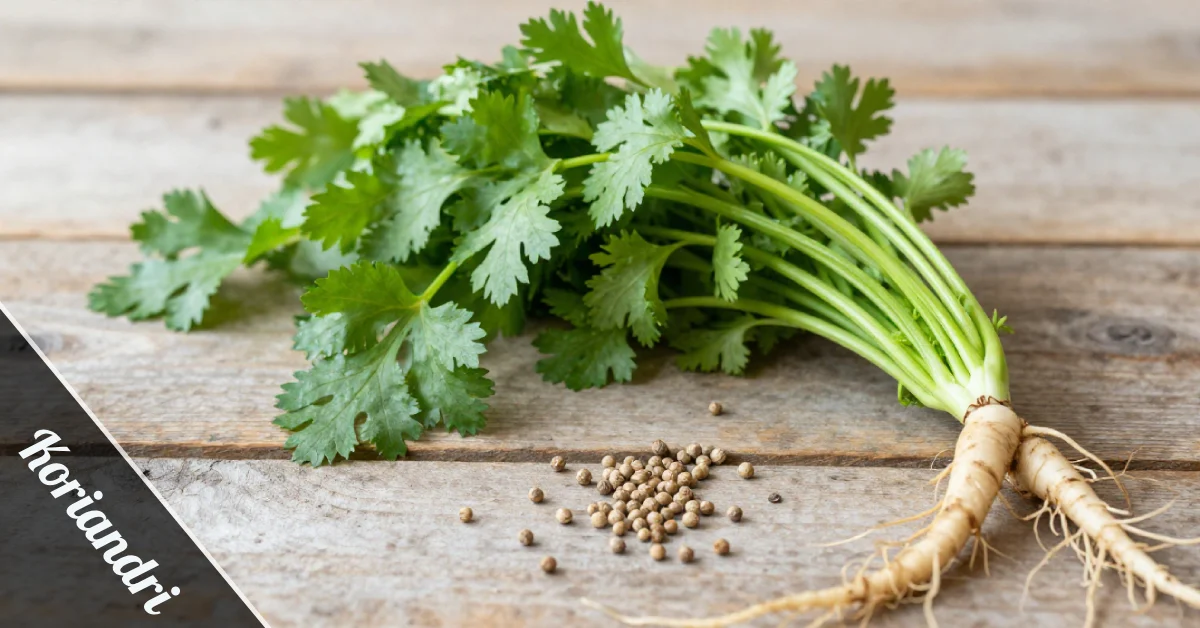
You’ve probably scrolled past it at the grocery store. Maybe you’ve even tossed it into your cart without thinking twice. But here’s the thing—koriandri deserves more than a casual glance. This unassuming herb packs serious flavor and health perks that most people sleep on. Whether you call it coriander, cilantro, or dhania, it’s the same botanical powerhouse doing heavy lifting in kitchens worldwide.
Let’s break down what makes this green dynamo worth your attention, from its ancient roots to modern-day uses that might surprise you.
What Exactly Is Koriandri?
Koriandri is the full package. Both its fresh leaves and dried seeds earn kitchen real estate, each bringing distinct flavors to the table. The leaves hit you with bright, citrusy notes—almost like lime met parsley at a party. Meanwhile, the seeds deliver warm, nutty undertones that anchor spice blends beautifully.
Scientifically tagged as Coriandrum sativum, this annual herb belongs to the Apiaceae family alongside parsley, fennel, and cumin. The plant grows fast, produces delicate foliage, and develops round beige seeds. Everything’s edible, which means zero waste if you’re into that efficiency vibe.
Here’s where it gets interesting: some people taste soap when they bite into fresh koriandri leaves. Blame genetics for that curveball—a specific gene makes certain folks perceive the herb’s aldehydes as soapy rather than refreshing. If you’re in that camp, you’re not broken. Your DNA just decided to troll your taste buds.
The seeds tell a different story. Toasted and ground, they become essential players in garam masala, curry powders, and pickling spices across multiple cuisines. No soapy controversy there—just pure, aromatic warmth that transforms ordinary dishes into something memorable.
The Ancient Trail of Koriandri
Ancient Egyptians weren’t playing around with koriandri. Archaeologists found the seeds tucked inside tombs, suggesting they valued this herb beyond mere seasoning. Some scholars believe Egyptians considered it magically protective or medicinally powerful enough to accompany souls into the afterlife. That’s commitment to an ingredient.
Trade routes spread koriandri from the Mediterranean through Asia like wildfire. India embraced it wholeheartedly—today, you’ll find dhania dominating countless regional dishes from chutneys to curries. Mexican cuisine adopted cilantro with equal enthusiasm, making it a non-negotiable garnish for tacos, salsas, and street food classics.
Greek and Roman texts mention koriandri’s medicinal applications dating back thousands of years. Physicians prescribed it for digestive complaints and other ailments long before modern research validated those traditional uses. The herb journeyed across continents, adapted to local palates, and became foundational in cuisines that seem worlds apart culturally.
Pretty impressive for a plant that grows like a weed when conditions align.
Nutritional Breakdown: What’s Inside
Koriandri brings legitimate nutritional weight despite its delicate appearance. Fresh leaves deliver vitamin K for blood clotting and bone strength, vitamin A for vision and skin health, plus vitamin C to boost immunity. The seeds contribute iron, calcium, potassium, and dietary fiber—all packaged in a low-calorie format.
Antioxidants steal the show here. Koriandri contains compounds that fight oxidative stress, potentially reducing inflammation throughout your body. These aren’t marketing buzzwords—research backs the anti-inflammatory properties that traditional medicine systems have recognized for centuries.
One tablespoon of coriander seeds provides roughly 15% of your daily iron needs. That matters if you’re running low on red blood cell production or feeling perpetually tired. Calcium content supports skeletal integrity, while potassium helps regulate blood pressure and muscle function without you thinking twice about it.
The herb’s essential oils carry therapeutic potential beyond basic nutrition. Linalool, one of koriandri’s primary compounds, shows promise in studies examining antimicrobial and calming effects. You’re not just eating garnish—you’re consuming bioactive molecules that interact with your physiology in measurable ways.
Health Benefits Worth Noting
Digestive Support That Actually Works
Koriandri stimulates digestive enzyme production, helping your stomach break down meals more efficiently. This isn’t bro-science—traditional medicine systems across continents have prescribed coriander seed water for bloating, gas, and indigestion for literal centuries. Modern research suggests these compounds genuinely improve gut motility and reduce discomfort.
Drinking coriander seed water first thing in the morning is a common practice in South Asian households. Soak a tablespoon of seeds overnight, strain, and sip. The ritual delivers gentle relief without pharmaceutical intervention for minor digestive complaints.
Heart Health Considerations
Regular koriandri consumption might help manage cholesterol levels according to several studies. The herb appears to reduce LDL (bad cholesterol) while potentially increasing HDL (good cholesterol). Its antioxidants also combat arterial inflammation, which contributes to cardiovascular disease over time.
Blood pressure benefits emerge from koriandri’s diuretic properties and potassium content. By helping kidneys eliminate excess sodium and relaxing blood vessel walls, this herb supports healthier circulation. Don’t expect miracles—but as part of a balanced diet, it plays a supporting role.
Blood Sugar Management
Coriander seeds demonstrate insulin-activating properties in research settings. For people managing diabetes or pre-diabetic conditions, incorporating the seeds might help improve glucose metabolism when used alongside conventional treatments. Always consult your doctor before treating koriandri like medication, though.
The mechanism involves stimulating insulin secretion from pancreatic cells and enhancing glucose uptake in tissues. It’s not a replacement for diabetes management—just a potentially helpful dietary addition that cultures have used for metabolic support long before endocrinology became a formal discipline.
Detoxification and Heavy Metal Chelation
Koriandri supports your body’s natural detox processes, particularly in removing heavy metals like lead and mercury from tissues. The herb’s compounds bind to these toxic elements, facilitating their excretion through urine. This matters if you’ve had environmental exposure to contaminated water or industrial pollutants.
Your liver and kidneys do most detoxification work automatically, but koriandri essentially greases the wheels. It won’t undo years of toxic buildup overnight—but consistent consumption might reduce your body’s heavy metal burden gradually over time, especially when combined with other chelating foods.
Immunity and Antimicrobial Properties
The antibacterial and antifungal compounds in koriandri create hostile conditions for certain pathogens. Laboratory studies show effectiveness against foodborne bacteria like Salmonella and potentially harmful fungi. Your immune system gets backup from these natural antimicrobial agents without disrupting beneficial gut bacteria.
Traditional healers have used koriandri to treat infections and support recovery for millennia. Modern science is slowly catching up, identifying specific molecules responsible for these protective effects. It’s not a substitute for antibiotics when you need them—but it adds another defensive layer through diet.
Cooking With Koriandri: The Practical Playbook
Fresh leaves work best as finishing touches. Toss them onto tacos right before serving, stir them into salsa, or garnish curries at the last second. Heat destroys their bright flavor quickly, so treat them like you would basil—minimal cooking time preserves maximum impact.
Seeds demand different treatment. Toast them in a dry pan until fragrant, then grind for maximum flavor release. Whole seeds add texture and gradual flavor infusion to pickles, soups, and slow-cooked stews. Ground coriander powder integrates seamlessly into spice rubs and masala blends.
Pairing koriandri with complementary ingredients elevates both. The herb loves tomatoes, avocados, garlic, and citrus fruits—notice how guacamole and pico de gallo rely on this flavor triangle. In Asian cooking, koriandri balances the heat from chili peppers and the earthiness of turmeric beautifully.
Here’s a cheat code: blend fresh koriandri into your pesto instead of using only basil. Add garlic, nuts, olive oil, and Parmesan as usual. The result? An aromatic twist that pairs perfectly with pasta or works as a sandwich spread that guests will ask about.
For beverages, muddle fresh leaves into mojitos or blend them into smoothies. Steep coriander seeds in hot water for an herbal tea that supports digestion after heavy meals. These aren’t Instagram gimmicks—they’re legitimate uses that extract flavor and benefits simultaneously.
Growing Your Own Koriandri
Koriandri thrives in well-drained soil with at least six hours of direct sunlight daily. Plant seeds about half an inch deep, spacing them to allow growth room. Water consistently, but don’t drown the soil—damp, not waterlogged, is the sweet spot you’re aiming for here.
Germination happens fast, usually within seven to ten days under ideal conditions. Once your plants reach six inches tall, start harvesting individual leaves or entire stems as needed. Cut no more than one-third of the plant at once to maintain healthy growth and continuous production.
Temperature matters more than you’d think. Koriandri bolts (flowers prematurely) in high heat, shifting energy from leaf production to seed development. If you’re growing for fresh leaves, plant during cooler months or provide afternoon shade in hot climates. For seeds, let it bolt—those flowers become your coriander seed harvest.
Indoor growing works surprisingly well in containers near sunny windows. Use pots with drainage holes, quality potting mix, and harvest regularly to encourage bushier plants. Apartment dwellers can keep fresh koriandri within arm’s reach year-round without needing outdoor space.
Traditional Medicine Applications
Ayurveda and Unani medicine systems have prescribed koriandri for fever reduction, appetite stimulation, and nausea relief for thousands of years. Practitioners prepare seed decoctions, herbal teas, and poultices using different plant parts depending on the ailment. These applications predate pharmaceutical medicine by millennia but remain relevant in many cultures today.
Urinary tract infections receive treatment with coriander seed water in folk medicine traditions. The diuretic and antimicrobial properties theoretically flush bacteria while reducing inflammation. Again, this shouldn’t replace antibiotics when medically necessary—but it represents validated traditional knowledge worth acknowledging.
Safety and Side Effects
Most people tolerate koriandri without issues. Allergic reactions happen rarely but can include skin irritation or respiratory symptoms in sensitive individuals. If you’ve never consumed the herb before, start with small amounts to gauge your body’s response before going all-in.
Excessive consumption might lower blood sugar levels significantly, especially if you’re already taking diabetes medications. Monitor glucose carefully and consult healthcare providers about potential interactions. Similarly, people with low blood pressure should consume koriandri moderately since its diuretic effects could drop pressure further.
Pregnant and breastfeeding women should stick to culinary amounts rather than medicinal doses. There’s insufficient research on high-dose effects during pregnancy, so the general wisdom suggests caution without total avoidance. Normal cooking quantities pose no known risks.
Why Koriandri Deserves Your Attention
This herb isn’t a superfood trend that’ll disappear next year. Koriandri has earned its place through millennia of use across every major cuisine and traditional medicine system. Its dual nature—fresh leaves and dried seeds—provides culinary versatility that few ingredients match.
The health benefits aren’t revolutionary, but they’re legitimate and supported by both traditional use and modern research. You’re not betting on unproven claims when you incorporate koriandri into meals. You’re tapping into validated knowledge that cultures worldwide have refined over thousands of years.
Growing your own connects you to that history while ensuring the freshest possible product. There’s something satisfying about snipping leaves you’ve nurtured from seeds, especially when store-bought cilantro wilts before you finish the bunch. Plus, you’ll save money long-term.
Whether you’re team cilantro or team coriander seeds, this herb offers enough variety to satisfy different palates and cooking styles. Don’t sleep on koriandri just because it’s familiar—sometimes the best ingredients are the ones hiding in plain sight.
