
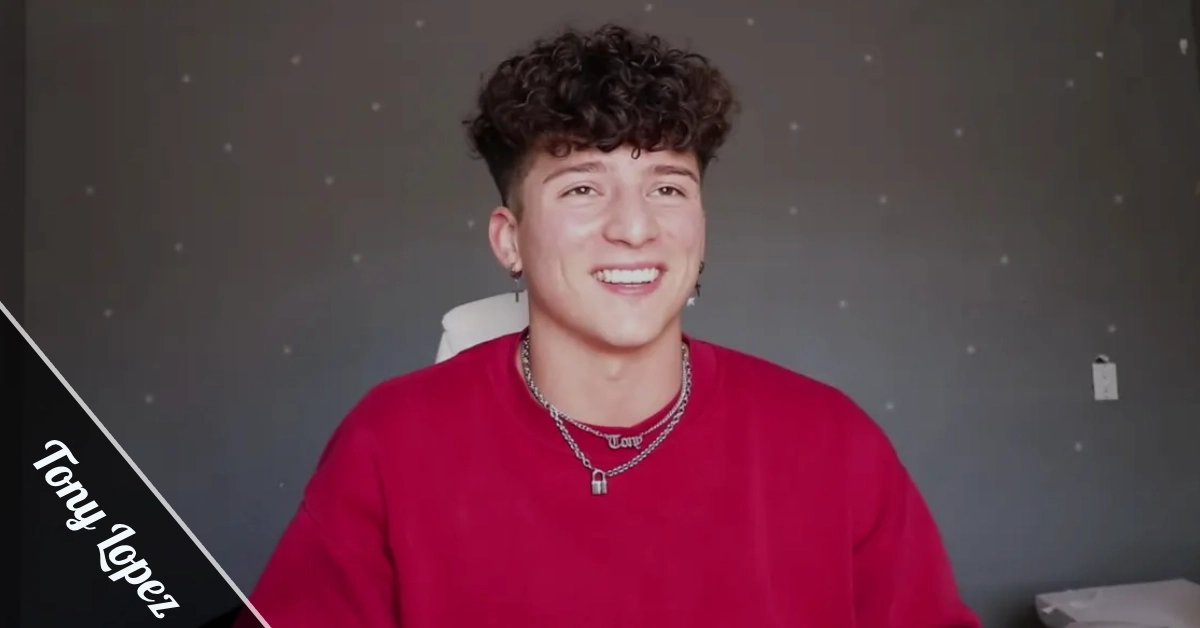
You’ve probably scrolled past his face. Maybe you’ve seen the dance moves, the hype house drama, or the headlines. But who is Tony Lopez, really? Let’s break down the guy who built an empire on 15-second clips—then watched it all get messy.
Born August 19, 1999, in Las Vegas, Nevada, Tony Lopez isn’t just another TikTok kid. He’s a Leo with over 20 million followers who turned synchronized hand movements into a full-blown career. Alongside his brother Ondreaz, he became one of the platform’s most recognizable faces. But fame came with baggage—and in 2020, that baggage spilled all over Twitter.
This isn’t a fluff piece. We’re diving into the rise, the controversy, and where Tony Lopez stands today. No moral lectures. Just the facts, served straight.
Early Life
Tony Lopez grew up in Las Vegas, where the neon lights probably taught him a thing or two about standing out. Not much is publicly known about his childhood—he’s kept that card close. What do we know? He’s got a twin vibe with his brother Ondreaz, and together, they became a package deal.
The Lopez brothers didn’t come from influencer royalty. They built their following from scratch, posting dance videos that hit the sweet spot between polished and relatable. Tony’s charisma and timing made him a natural fit for TikTok’s algorithm-driven ecosystem. By 2019, the duo was already pulling millions of views per post.
Their chemistry was undeniable. When one posted, the other would follow. When one went viral, the other rode the wave. It was a strategic move—whether intentional or not—that doubled their reach. And it worked. By the time TikTok exploded globally, Tony Lopez was already positioned as a top-tier creator in the dance category.
Rise to TikTok Fame
So, who is Tony Lopez in the TikTok world? He’s the guy who made synchronized choreography look effortless. His content wasn’t revolutionary—just perfectly timed, sharply executed, and addictive. Think of it as the fast food of entertainment: quick, satisfying, and easy to consume.
Tony joined TikTok early, back when the app was still figuring out its identity. He posted consistently, collaborated with other rising stars, and leaned into trending sounds before they peaked. That’s the cheat code: ride the wave before it crashes. By mid-2019, he’d hit a million followers. By 2020, he was in the tens of millions.
He also joined the Hype House, a creator collective in Los Angeles where influencers lived, worked, and filmed together. It was like a reality show without cameras—except everyone had cameras. The constant content churn kept him relevant, even when individual videos didn’t blow up.
But TikTok fame is tricky. You’re always one trend away from irrelevance. Tony kept dancing, kept posting, kept collaborating. For a while, it worked. Until the internet decided to dig into his past.
Straight TikTok vs. Alt TikTok
Here’s where things get spicy. In July 2020, Tony tweeted about “straight TikTok,” asking why people seemed to hate it. Innocent question, right? Not quite. TikTok had already split into two factions: Straight TikTok and Alt TikTok.
Straight TikTok is where the dancers, influencers, and mainstream trends live. It’s polished, it’s popular, and it’s very, very marketable. Alt TikTok (also called Elite TikTok) is the weird, queer, countercultural side. Think niche humor, anti-mainstream energy, and a general disdain for influencer culture.
Tony’s tweet implied Alt TikTok was jealous of Straight TikTok’s success. That didn’t sit well. The backlash was swift. People accused him of dismissing the creative, diverse side of the platform. And once the internet smells blood, it doesn’t stop.
Within hours, users started digging through his old social media posts. What they found wasn’t pretty. Sexist jokes. Racist comments. Homophobic slurs. Some tweets dated back to 2016, but others were as recent as 2019. The internet receipts were filed, and Tony Lopez became a trending topic for all the wrong reasons.
Old Tweets Come Back to Haunt Him
Let’s be clear: the tweets were bad. One asked if “Latina women are worth it.” Another used “gay” as an insult. There were fetishizing comments about Black and Asian women, and a pattern of casual bigotry that Tony apparently thought was funny at the time.
Internet personality Elijah Daniel amplified the criticism, tweeting back at Tony with the now-iconic line: “just shut up and stay on your side before you get ya cheek filler damaged.” Ouch. The pile-on accelerated. Screenshots circulated. Comment sections turned into courtrooms. Tony Lopez, the TikTok golden boy, was suddenly public enemy number one.
He deleted the tweets. But the internet never forgets. Screenshots live forever, and the narrative had already shifted. This wasn’t just about offensive jokes—it was about accountability, privilege, and whether influencers should be held to higher standards.
Tony issued an apology on Twitter. “Just wanted to apologize for any old childish tweets that I made 5-6 years ago, if I offended anyone, I apologize deeply,” he wrote. He called them “childish” and said reading them offended him, too. But the damage was done. Apologies rarely satisfy the mob.
Response and Public Reaction
Here’s the thing about influencer apologies: they’re seldom enough. Tony’s statement was vague, defensive, and didn’t address specific tweets. He blamed youth, not behavior. And people noticed.
Some fans defended him, arguing that everyone makes mistakes and that growth is possible. Others called the apology performative—a damage control move, not genuine remorse. The debate split his fanbase. Some unfollowed. Others doubled down on their support.
The controversy also raised bigger questions. Should influencers be canceled for old tweets? What counts as accountability? And who gets to decide when someone’s learned their lesson? These aren’t easy answers, and Tony became the case study.
His follower count dipped, but not catastrophically. TikTok’s algorithm doesn’t care about morality—it cares about engagement. And controversy? That drives clicks. Tony kept posting, kept dancing, kept existing in the digital space. But the shine was gone.
Current Status and Social Media Presence
So who is Tony Lopez today? He’s still on TikTok, still posting, still dancing. His follower count fluctuates, but he’s held onto a significant audience. The controversy didn’t erase his career—it just complicated it.
He’s less visible than he was in 2019. The Hype House era is over. The mainstream media moved on to newer scandals and fresher faces. Tony posts sporadically, often promotional content or sponsored deals. It’s a quieter existence than the peak hype days.
There’s been no major comeback arc. No redemption tour. Just a gradual fade from the spotlight. Some influencers bounce back stronger. Others fade into semi-obscurity. Tony’s somewhere in the middle—still relevant enough to make money, not relevant enough to dominate cultural conversations anymore.
He occasionally collaborates with other creators, but the energy’s different. The internet has a long memory, and every new post comes with a comment section full of receipts. That’s the price of digital fame: your past lives in perpetuity.
Lessons From the Tony Lopez Story
What’s the takeaway here? Fame is fragile. The internet giveth, and the internet taketh away. Tony Lopez rode the TikTok wave to millions of followers, then crashed when his past caught up.
His story isn’t unique. Influencers rise and fall on algorithmic whims and public opinion. One viral moment can launch a career. One resurfaced tweet can tank it. The margin for error is razor-thin, and accountability isn’t optional.
Tony’s controversy also highlights the tension between “cancel culture” and genuine accountability. Should people be punished forever for old mistakes? Or does growth matter more than receipts? There’s no universal answer—just a messy, evolving conversation.
For aspiring influencers, the lesson is simple: what you post today might haunt you tomorrow. The internet is forever. The screenshots are eternal. And your 15 minutes of fame can turn into a lifetime of scrutiny.
Final Thoughts
Who is Tony Lopez? He’s a TikTok star who danced his way to fame, stumbled over his own words, and became a cautionary tale. He’s not a villain. He’s not a hero. He’s just another person navigating the messy intersection of youth, fame, and accountability.
The Lopez story reminds us that influencers are human. They make mistakes. They say dumb things. And when you’ve got 20 million people watching, those mistakes get amplified. Whether you think Tony deserves forgiveness or continued criticism depends on where you stand.
What’s undeniable? His impact on TikTok’s early days. His role in popularizing dance content. And his reminder that the internet never forgets. For better or worse, Tony Lopez will always be part of the platform’s history. The question isn’t whether he’s relevant—it’s what comes next.
