

What Is Acubi Fashion? A Real-Person Guide to the Korean Minimalist Aesthetic Everyone’s Wearing in 2026
Acubi Fashion is a Korean minimalist street style built around neutral colors, oversized or relaxed silhouettes, and small subversive details like asymmetric cuts, sheer layers, or unexpected...

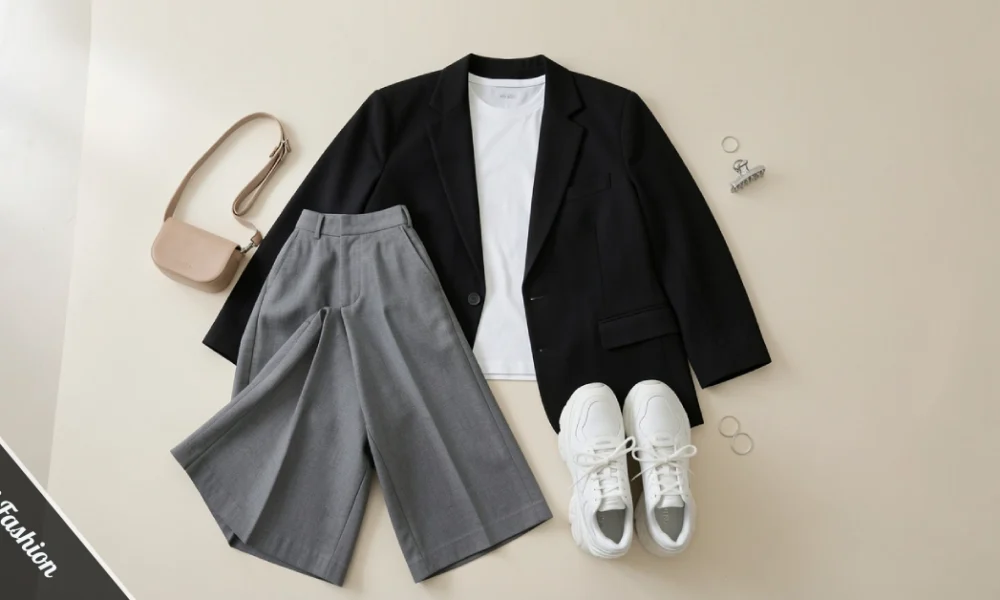
Acubi Fashion is a Korean minimalist street style built around neutral colors, oversized or relaxed silhouettes, and small subversive details like asymmetric cuts, sheer layers, or unexpected proportions. It comes from a Seoul streetwear brand called Acubi Club, which gained traction in the early 2020s before spreading globally through TikTok and Instagram.
Table Of Content
- You’ve Seen It. You Just Didn’t Know the Name.
- Where Acubi Fashion Actually Comes From
- What Acubi Style Actually Looks Like
- How Acubi Compares to Similar Aesthetics
- How to Wear Acubi Fashion Without Buying Everything New
- Why Acubi Is Still Relevant in 2026
- FAQs
- What does Acubi Fashion actually mean?
- Is Acubi the same as Y2K or Clean Girl?
- How do I start dressing in Acubi style without buying a whole new wardrobe?
- Why did Acubi blow up on social media, and is it still relevant in 2026?
What makes it different from other minimalist trends is the “undone” quality. It looks intentional without looking polished. Think wide-leg pants, boxy blazers, fitted baby tees, chunky sneakers, and lots of layering, all in a palette of blacks, whites, greys, and soft earth tones. It sits somewhere between everyday comfort and quiet edge, which is exactly why so many people are gravitating toward it in 2026.
You’ve Seen It. You Just Didn’t Know the Name.
You’ve probably scrolled past it a dozen times this week. An outfit that’s mostly grey or black, a little boxy, slightly layered, and somehow looks cool without screaming for attention. No logos. No bright colors. Just shape, texture, and a relaxed kind of confidence.
That’s the acubi aesthetic. And if you’ve been wondering what it is and whether it’s something you can actually wear on a regular Tuesday, this guide will answer both questions.
Where Acubi Fashion Actually Comes From
Acubi Fashion traces back to a Seoul streetwear brand called Acubi Club, which started building a following in the early 2020s. Their pieces had a specific character: simple basics with small subversive details. A top with an asymmetric cut. A draped pair of trousers. A sheer layer over a fitted tank. Nothing loud, but nothing ordinary either.
Korean street style has always been good at this kind of thing. It blends minimalism with a sense of personal edge that doesn’t rely on flashy pieces to land. Acubi took that sensibility and made it accessible enough that people outside Seoul could see themselves wearing it.
Once it hit TikTok and Instagram, the label stuck. People started using “acubi” to describe any outfit that hit that specific mood: understated, slightly deconstructed, and quietly cool. By 2025 and into 2026, it had grown well beyond its origin brand into a full-blown aesthetic.
What Acubi Style Actually Looks Like
If you want a simple way to picture the acubi aesthetic, think minimalism with a little tension in it. The color palette stays narrow. Mostly blacks, whites, greys, creams, soft taupes, and muted earth tones. You won’t see loud prints or saturated colors.
The silhouettes are where it gets interesting. Acubi outfits often play with contrast in proportion, a fitted top with wide-leg pants, or a boxy oversized blazer over a slim base layer. Layering is central to the look. It adds depth without clutter.
Common pieces you’ll see across Acubi outfits include:
- Wide-leg pants, cargo trousers, or relaxed jeans in neutral tones
- Fitted baby tees, cropped tanks, or long-sleeve base layers
- Oversized or boxy blazers with a relaxed drape
- Sheer button-ups or mesh tops worn as a layer
- Mini skirts with asymmetric hems or small structural details
- Chunky sneakers, platform boots, or simple leather loafers
- Low-key accessories: silver jewelry, a slouchy bag, a claw clip
The overall effect is put-together without being precious. It’s a look that travels well through a full day, morning commute, afternoon errands, evening out, without needing a wardrobe change.
How Acubi Compares to Similar Aesthetics
One of the most common points of confusion is how Acubi Fashion fits alongside other trends. Here’s the short version.
Acubi vs Y2K: Y2K leans into nostalgia, bright colors, shiny fabrics, and maximalist references to early 2000s pop culture. Acubi borrows some Y2K proportions (like the slim-top-baggy-bottom silhouette) but strips away all the noise. Where Y2K wants to be seen, Acubi stays quiet.
Acubi vs Clean Girl: The Clean Girl aesthetic is polished, sleek, and aspirational. Slicked-back hair, gold jewelry, skin-first beauty, everything looks effortless but controlled. Acubi is moodier and more urban. It’s less about looking put-together and more about looking interesting.
Acubi vs Cyber Grunge: Cyber Grunge goes darker, with more distressed textures, bold hardware, and an aggressive edge. Acubi shares the deconstructed quality but keeps things calm. It’s not trying to shock anyone.
How to Wear Acubi Fashion Without Buying Everything New
This is where a lot of guides miss the mark. You don’t need a new wardrobe to try acubi style. You need to look at what you already own through a different lens.
Start here:
Pick one piece with some shape to it. Wide-leg trousers, an oversized jacket, or even a basic mini skirt with an interesting hem. This becomes your anchor.
Add a simple base layer. A plain fitted tee, a thin long-sleeve, or a sleeveless tank in white, black, or grey. Keep it neutral so it doesn’t compete with the anchor piece.
Layer something over it. An oversized cardigan, a boxy button-up left open, or a sheer top over the base. This is the step that makes the outfit feel acubi rather than just “basic casual.”
Ground it with the right shoes. Chunky sneakers, combat boots, or even clean, simple loafers. Avoid anything too delicate or dainty. The footwear should feel solid.
Thrift stores are genuinely useful here. The shapes Acubi relies on, boxy blazers, wide-leg pants, oversized tops, show up constantly in secondhand racks. You’re looking for proportion, not brand.
Why Acubi Is Still Relevant in 2026
Some trends have a shelf life measured in months. Acubi has lasted because it solves a real problem: how to look good in real life, not just in a photo.
It fits hybrid work schedules. Comfortable enough for a long day, structured enough to look considered on a video call or at a dinner. It fits a growing appetite for buying less and wearing more. Because the palette is neutral and the pieces are versatile, you can build a small wardrobe around it that actually gets worn.
There’s also a quiet sustainability angle. When everything works together, you stop chasing new pieces every season. The acubi approach, fewer items, stronger shapes, neutral base, naturally moves toward that.
It doesn’t feel like a trend you have to chase. It feels like a way of dressing that makes sense for everyday life in 2026.
FAQs
What does Acubi Fashion actually mean?
It’s a Korean minimalist street style named after the Seoul brand Acubi Club. The look centers on neutral colors, relaxed or oversized silhouettes, and small deconstructed details like asymmetric cuts, sheer layers, or unusual proportions. The goal is an intentional but undone quality.
Is Acubi the same as Y2K or Clean Girl?
No. Acubi shares some proportional ideas with Y2K but strips away the color, nostalgia, and maximalism. Compared to Clean Girl, it’s moodier and less polished. All three are minimalist-adjacent, but they feel very different in practice.
How do I start dressing in Acubi style without buying a whole new wardrobe?
Start with what you already own. Look for wide-leg pants, oversized outerwear, or basic fitted tops. Build one outfit around neutral tones and experiment with layering. The shape matters more than the brand, so thrift stores and basic retailers like Uniqlo work just as well as boutiques.
Why did Acubi blow up on social media, and is it still relevant in 2026?
It spread because it photographs well, feels relatable, and doesn’t require expensive or hard-to-find pieces. It’s still relevant in 2026 because it fits how many people actually live: busy, practical, but still wanting to look considered. It also aligns with a broader shift toward buying fewer, more versatile clothes.






No Comment! Be the first one.