

Complete Bathroom Mushroom Identification Guide: Causes, Risks & Simple Fixes
You walk into your bathroom, half-asleep, reaching for the towel. Then you spot them. Tiny caps peek through the grout like uninvited guests who let themselves in. Your first thought? “What...

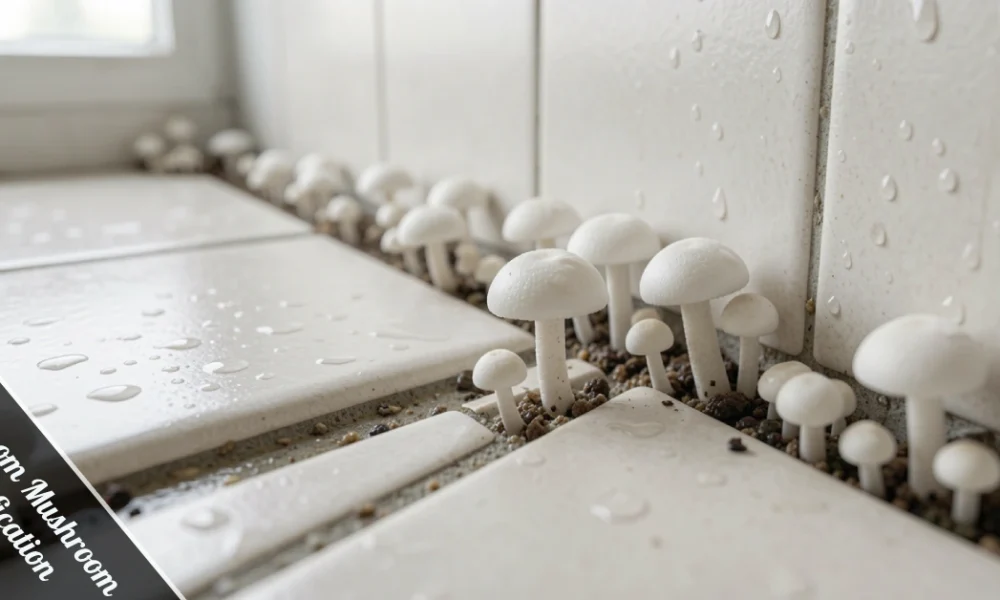
You walk into your bathroom, half-asleep, reaching for the towel. Then you spot them. Tiny caps peek through the grout like uninvited guests who let themselves in. Your first thought? “What even is that?” Your second? “How do I make it stop?”
Table Of Content
- What Are Those Weird Sprouts Anyway?
- Why Your Bathroom Became a Fungal Paradise
- Quick Signs You’ve Got Mushrooms
- Common Bathroom Fungi You Might Meet
- Health Risks Worth Taking Seriously
- How to Identify Your Fungal Guests
- Your Immediate Action Plan
- Removal Methods That Actually Work
- Long-Term Prevention Strategies
- When to Call the Pros
- FAQs About Shower Mushrooms
- How do mushrooms grow in bathrooms so fast?
- Are bathroom mushrooms dangerous to touch?
- Can I just paint over mushroom stains?
- What kills bathroom mushrooms permanently?
- Do mushrooms mean I have black mold?
- Winning the Battle Against Bathroom Fungi
Relax. You’re not alone, and this isn’t some horror movie setup. Those little fungi are actually trying to tell you something important about your space. Let’s figure out what you’re dealing with and—more importantly—how to kick them out for good.
What Are Those Weird Sprouts Anyway?
Those aren’t alien eggs or rogue chia pets. They’re fungi doing what fungi do—finding damp, dark spots and setting up shop. Your bathroom just happens to check all their boxes.
Bathroom mushroom identification starts with understanding what feeds these things. They’re not picky eaters. Soap scum, shampoo residue, even those tiny skin flakes you shed during showers? That’s a five-star meal for fungus. They thrive in warm, wet environments with minimal light. Sound familiar?
The caps you see are just the tip of the iceberg. Underneath your tiles runs a whole network of thread-like structures called mycelium. Think of it as the root system you can’t see. When you spot a mushroom, you’re basically seeing the fruit of a much larger operation happening below the surface.
Why Your Bathroom Became a Fungal Paradise
Let’s be real—bathrooms are basically accidental science experiments for moisture lovers. You’ve created the perfect storm without even trying.
Poor ventilation tops the list. No window? Exhaust fan broken? That steam from hot showers has nowhere to go. It settles on walls, seeps into grout, and keeps everything damp for hours after you’ve left.
Leaks add fuel to the fire. A slow drip under the sink or a pinhole leak behind the wall keeps materials constantly wet. You might not see the water, but the mushrooms? They’ve found it.
Then there’s humidity. Every shower raises indoor moisture sky-high. Without proper airflow, that humidity lingers like an unwanted houseguest.
Quick Signs You’ve Got Mushrooms
Spotting them early saves headaches later. Watch for these clues:
| Sign | What It Means |
|---|---|
| Tiny mushroom caps | White, brown, or translucent—appear overnight like magic |
| Musty, damp smell | That “wet basement” odor that won’t quit |
| Dark or yellow stains | Walls or tiles discolored from trapped moisture |
| Bubbling paint | Moisture pushing from behind the surface |
| Mystery allergies | Family members suddenly sneezing indoors |
Pro tip: If grout feels crumbly or drywall feels spongy, mushrooms might be hiding just out of sight. Time to investigate.
Common Bathroom Fungi You Might Meet
Not all bathroom mushrooms look the same. Some are tiny and delicate. Others look like something from a fairy tale—the dark version. Proper bathroom mushroom identification helps you know what you’re up against.
The most frequent visitors include little brown mushrooms clustering in corners. You might also spot white or translucent ones popping up between tiles. These typically belong to species that love decomposing organic matter. Your soap scum? Perfect snack.
Mold often shows up as black spots before mushrooms appear. If you’re seeing both, your moisture problem has reached advanced levels.
Health Risks Worth Taking Seriously
Here’s where we get real. Most bathroom mushrooms aren’t the kind you’d find on a pizza. While they’re rarely poisonous to touch, the real issue floats in the air.
Mushrooms release spores as part of their life cycle. Those microscopic particles go airborne easily. Breathe them in, and your lungs might throw a fit. For allergy-prone people, this means sneezing fits, wheezing, and itchy eyes that won’t quit.
Asthma sufferers face bigger challenges. Spores can trigger attacks or make breathing feel like work. Even healthy people might notice congestion or throat irritation after long exposure.
Beyond the mushrooms themselves, their presence signals mold. And mold brings its own health baggage—headaches, fatigue, and respiratory issues. Your body’s telling you something when allergies flare up indoors.
How to Identify Your Fungal Guests
Want to get specific about what’s growing? You’ve got options.
Start with visual matching. Compare cap shape, color, and size against online databases or field guides. Take clear photos from multiple angles.
The spore print trick works surprisingly well. Cut off a cap, place it gill-side down on white paper, and cover it with a bowl. Wait four to six hours. When spores drop, their color helps narrow down the species. White, brown, black, or purple prints point to different fungus families.
For the truly curious, a basic microscope reveals spore shapes and textures. But honestly? Unless you’re a mycology nerd, that’s overkill.
When uncertain, treat all shower mushrooms as potential hazards. Caution costs nothing.
Your Immediate Action Plan
Found mushrooms? Don’t panic. Do this instead:
| What You Need To Do | How To Do It |
|---|---|
| Boost ventilation | Run the exhaust fan during and after showers. Open windows. Consider a small waterproof fan for dead spots. |
| Stop the leaks | Check faucets, shower heads, and under-sink pipes. Tighten fittings. Replace worn washers. Reseal cracked tiles. |
| Scrub and disinfect | Gear up with gloves, an N95 mask, and goggles. Use a mold-killing cleaner. Scrub everything—including hidden corners. |
| Dry it all out | Squeegee walls after each use. Wipe down floors and grout lines. Run a dehumidifier if the humidity stays above 60%. |
| Toss or replace | Wash towels and curtains. Replace damaged drywall, insulation, or caulk that won’t quit holding moisture. |
Found mushrooms in the toilet bowl, too? Flush them away, then treat the surrounding area like your shower. Same rules apply.
Removal Methods That Actually Work
You’ve got options depending on how stubborn your fungal friends are.
Disinfectant sprays work fast on non-porous surfaces. Bleach solutions or hydrogen peroxide kill spores on contact. Just don’t mix bleach with anything containing ammonia—that creates toxic gas.
Manual plucking handles visible caps. Pull gently, bag immediately, and seal before trashing. This removes the spore factories but won’t kill the underground network.
Commercial fungicides tackle stubborn spots. Follow label instructions exactly. These pack stronger chemicals designed for persistent problems.
Natural remedies handle mild cases. Vinegar or baking soda pastes scrub away surface growth. Rinse thoroughly afterward.
Crack a window or run a fan before cleaning. Good airflow keeps airborne spores from concentrating while you work.
Long-Term Prevention Strategies
Killing mushrooms once means nothing if you don’t change the conditions that invited them. Fungi hate dryness and airflow. Make those your weapons.
Bathroom mushroom identification taught you what you’re fighting. Now win the war.
Post-shower rituals matter more than you’d think. Squeegee walls immediately. Towel-wipe floors and doors. Hang wet towels where they’ll dry completely, not in a heap.
Run that fan every time you shower—and leave it running for twenty minutes after. Even in winter, crack a window for ten minutes. Air movement dries surfaces faster than anything.
Monthly leak patrols catch problems early. Check under sinks, around toilets, and along shower edges. No drip should go unnoticed. A single pinhole leak keeps materials damp indefinitely.
Material choices make a difference long-term. Use mildew-resistant caulk and paint designed for high-moisture areas. Reseal grout lines annually to block moisture entry points.
Keep humidity below 60 percent. A dehumidifier helps tremendously in bathrooms without windows or with poor ventilation. Empty it regularly.
| Prevention Tip | Action |
|---|---|
| Keep surfaces dry | Squeegee, towel-wipe, run fans after every use. Make this automatic. |
| Check and seal grout | Reseal annually to block moisture hiding spots. |
| Use dehumidifiers | Maintain humidity below 60 percent consistently. |
| Routine inspections | Every few weeks, look for dark spots, leaks, or musty smells. |
When to Call the Pros
Sometimes DIY efforts fall short. If mushrooms keep returning after thorough cleaning, you might have hidden moisture sources. Behind-wall leaks or under-floor saturation need professional attention.
Extensive mold growth also signals time for backup. Mold remediation teams use industrial gear and moisture meters to find problems you can’t see. They’ll identify the actual source rather than just treating symptoms.
If anyone in your home has severe allergies, asthma, or immune issues, don’t gamble. Professional assessment ensures thorough removal and safer air quality.
FAQs About Shower Mushrooms
How do mushrooms grow in bathrooms so fast?
High humidity, poor ventilation, and organic residue create perfect conditions. Spores float in through windows or on clothing, find moisture, and colonize within days.
Are bathroom mushrooms dangerous to touch?
Most aren’t poisonous on contact, but never assume. Some species cause skin irritation. Always wear gloves during removal as a safety baseline.
Can I just paint over mushroom stains?
Bad idea. Painting traps moisture underneath, feeding the problem from behind. The mushrooms will push through again, and now you’ve got paint damage too.
What kills bathroom mushrooms permanently?
Nothing kills them permanently without changing conditions. Remove visible growth, fix moisture sources, improve ventilation, and maintain dryness. That combination works.
Do mushrooms mean I have black mold?
Not necessarily, but they indicate moisture problems where mold thrives. If you see mushrooms, inspect carefully for mold patches nearby.
Bathroom mushroom identification matters most when deciding next steps. Small white mushrooms in grout lines differ from larger brown clusters near leaks. Each tells a different story about your moisture issues.
Winning the Battle Against Bathroom Fungi
Look, mushrooms happen. They’re nature’s way of saying your bathroom needs better airflow and less moisture. No judgment here—bathrooms are tricky spaces by design.
The good news? You’ve got this. Identify what’s growing, fix what’s leaking, dry what’s damp, and keep air moving. Those simple steps transform your bathroom from a fungal resort back to a functional space.
Check back in a few weeks. Inspect corners, sniff for mustiness, and watch for returning caps. Catching problems early means easier fixes and fewer surprises.
Your bathroom can stay fresh, dry, and mushroom-free. Now you know exactly how to make that happen.





No Comment! Be the first one.