

Goutabio: Practical Tips for Managing Gout Through Everyday Dietary Changes
Managing gout through your diet starts with one straightforward idea: less uric acid in your blood means fewer flares. When you cut back on high-purine foods like organ meats, beer, and sugary...

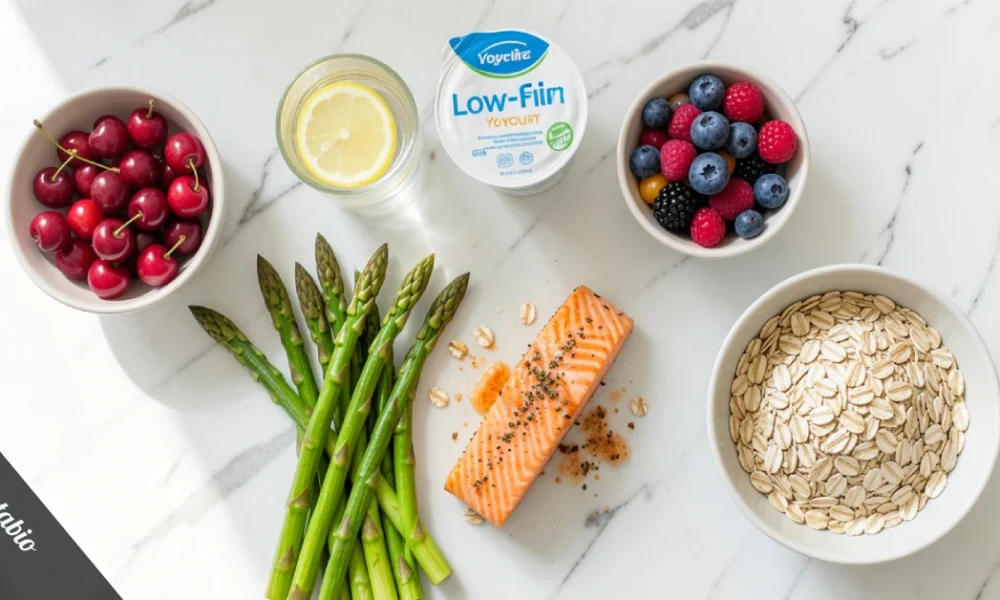
Managing gout through your diet starts with one straightforward idea: less uric acid in your blood means fewer flares. When you cut back on high-purine foods like organ meats, beer, and sugary drinks, your kidneys have an easier time clearing uric acid before it crystallizes in your joints. Add in plenty of water, low-fat dairy, and tart cherries, and you give your body real tools to stay in balance.
Table Of Content
- Why Your Diet Affects Gout
- Foods That Trigger Gout Attacks the Most
- Best Foods for Gout Worth Adding to Your Plate
- How to Lower Uric Acid Naturally, Starting Today
- Eating Well When Life Does Not Cooperate
- What to Expect When You Start a Gout Diet
- FAQs About Gout and Diet
- What foods trigger gout attacks the most?
- Can I still drink alcohol or eat meat if I have gout?
- Which foods actually help lower uric acid levels?
- How quickly will dietary changes reduce my gout flares?
A gout diet does not have to mean giving up everything you enjoy. Small, consistent changes, like swapping red meat for plant proteins a few times a week or drinking water instead of soda, tend to work better long term than strict all-or-nothing rules. Most people notice fewer and milder flares within two to three months of making these shifts.
If you have had a gout flare, you remember it. The pain hits fast, usually in your big toe, and it does not let up. What makes it worse is not knowing what triggered it or what you can realistically do about it going forward.
A gout diet is one of the most practical tools you have. But a lot of the advice out there is either too clinical or too vague to be useful in real life. This guide cuts through that. You will learn which foods to avoid, what to eat more of, and how to make these changes work when you are eating out, feeding a family, or dealing with a flare that happens despite your best efforts.
Why Your Diet Affects Gout
Gout starts with uric acid. Your body produces it when it breaks down purines, substances found naturally in many foods and in your own cells. For most people, the kidneys filter uric acid out through urine without issue. But when your body makes too much, or your kidneys fall behind, uric acid builds up and forms sharp crystals in your joints. That is where the pain comes from.
The link between diet and uric acid is well established. Eating a lot of purine-rich foods puts more uric acid into your bloodstream. Reducing them gives your kidneys a better chance of keeping up. Dietary changes alone can lower uric acid levels meaningfully, though how much depends on your starting point and how consistent you are.
One thing worth saying upfront: a gout diet works best alongside medical treatment, not instead of it. If you are already on medication, your food choices still matter. They can reduce how often flares happen and how severe they feel. [Learn more about how gout is medically managed here.]
Foods That Trigger Gout Attacks the Most
Some foods push uric acid levels up quickly. These are the ones worth paying close attention to first.
Organ meats are at the top of the list. Liver, kidney, and sweetbreads are extremely high in purines. Red meats like beef and lamb are also significant triggers, especially in large daily portions. The goal is not to eliminate them permanently, but to make them an occasional choice rather than a daily habit.
Certain seafood causes problems, too. Anchovies, sardines, mackerel, mussels, and scallops are high in purines. If you enjoy seafood regularly, switching to lower-purine options like salmon, cod, or tilapia is a practical swap most people can live with.
Beer deserves its own mention. It contains purines and also makes it harder for your kidneys to clear uric acid. That combination makes it one of the most commonly noticed triggers. Spirits and wine can also be a factor, but beer tends to hit harder. If you drink, keeping it occasional and paying attention to how your body responds afterward tells you a lot.
Sugary drinks are a trigger for many people to miss. Sodas, fruit juices with added sugar, and drinks containing high-fructose corn syrup increase uric acid production in the liver. Swapping these for water or plain sparkling water is one of the easiest changes you can make on a gout diet. [See a full list of foods to avoid with gout.]
Best Foods for Gout Worth Adding to Your Plate
The encouraging side of managing gout through diet is what you can add, not just what you cut back on.
Low-fat dairy consistently comes up in research as helpful. Skim milk, low-fat yogurt, and reduced-fat cheese may help your kidneys remove uric acid more efficiently. These are easy to work into daily meals without much effort or sacrifice.
Cherries for gout are worth taking seriously. Tart cherries and dark berries contain compounds that reduce inflammation and appear to lower uric acid in some people. A handful of fresh or frozen cherries daily is a simple habit. Tart cherry juice works too, just watch for added sugar in commercial versions.
Fruits high in vitamin C also support lower uric acid. Oranges, strawberries, and bell peppers are good options. Whole grains like oats, brown rice, and whole-wheat bread are better choices than refined carbs, which can interfere with how your body processes uric acid.
Plant proteins are another area worth exploring. Beans, lentils, tofu, and eggs generally carry a lower risk than animal proteins and can fill the gap when you cut back on meat. Many people find that building a few plant-based meals into their week is more manageable than they expected. [Explore more of the best foods for gout.]
How to Lower Uric Acid Naturally, Starting Today
You do not need to overhaul everything at once. The changes that stick are usually the ones that start small.
Water is the most underrated tool for managing uric acid. Staying well-hydrated helps your kidneys flush uric acid before it has a chance to build up. A simple goal: drink enough that your urine stays light yellow throughout the day. Adding a squeeze of lemon or lime can help too.
Tracking what you eat, even loosely, gives you useful information. After a week or two of noting what you had before a flare or a pain-free stretch, patterns often emerge. You might discover that your after-work beer matters more than the steak you ate with it.
Gradual weight loss also plays a real role. Extra weight increases uric acid production and puts more pressure on affected joints. You do not need to follow an extreme plan. Steady, moderate changes to portions and food quality make a difference over time without the added stress. [Read more about how to lower uric acid naturally through lifestyle changes.]
Eating Well When Life Does Not Cooperate
One of the biggest gaps in most gout diet advice is what to do when you are eating out, traveling, or at a family dinner where you did not choose the menu.
You have more control than you think. At restaurants, you can ask for sauces on the side, swap fries for a side salad, or choose a fish dish over a red meat option. You do not need to explain yourself or make a scene to make a better choice.
At social gatherings, having a loose plan beforehand helps. Eating something light before you go means you are not arriving hungry and reaching for whatever is available. If alcohol is part of the evening, alternating drinks with glasses of water slows things down and keeps you hydrated.
Flares can still happen even when you are doing everything right. Stress, illness, or a few nights of poor sleep can trigger one independent of what you ate. When that happens, do not treat it as a failure. Stick to your hydration, rest the joint if needed, and give it time. [See how to manage a gout flare when it happens.]
What to Expect When You Start a Gout Diet
This is where honest expectations matter. Some people notice fewer flares within a few weeks of making changes. For others, it takes two to three months of consistency before uric acid levels shift enough to feel a real difference.
The frustrating part is that a flare can happen during those early weeks, even when you are trying hard. That does not mean the changes are not working. Uric acid levels take time to come down, and your body is still adjusting. Stay patient and keep going.
Think about where you want to be in two to three years, not just next week. People who build small, steady habits, like cutting back on beer, adding low-fat dairy, drinking more water, and eating more plants, tend to see the biggest long-term results. These are not dramatic changes. But they compound.
It also helps to work with your doctor throughout this process. Diet changes and medication can work well together, and your doctor can monitor your uric acid levels to tell you objectively whether things are improving. That kind of feedback is motivating and takes some of the guesswork out of it.
FAQs About Gout and Diet
What foods trigger gout attacks the most?
Organ meats, red meat, beer, high-purine seafood like sardines and anchovies, and sugary drinks with high-fructose corn syrup are the most consistent triggers. Beer is especially problematic because it contains purines and slows uric acid clearance at the same time.
Can I still drink alcohol or eat meat if I have gout?
Most people do not need to give these up completely. The goal is moderation and consistency. A smaller portion of lean meat a few times a week is generally manageable for many people. Cutting back on beer in particular tends to make a noticeable difference. Pay attention to what your own body tells you after eating or drinking certain things.
Which foods actually help lower uric acid levels?
Low-fat dairy, tart cherries, fruits high in vitamin C, whole grains, and plant proteins like beans and lentils have the most support. Staying well-hydrated is just as important as any specific food on your plate.
How quickly will dietary changes reduce my gout flares?
It varies. Some people notice fewer flares within a few weeks. For others, it takes two to three months of consistent changes to see a real shift. The key is patience and sticking with the habits long enough to give them a fair chance.




No Comment! Be the first one.