

Muštarda: Croatia’s Candied Mustard Preserve, Explained
Muštarda is a thick, sweet-spicy preserve made with mustard seeds, grape must, and candied fruit—a Croatian specialty rooted in Samobor’s 200-year culinary tradition. Unlike French or German...

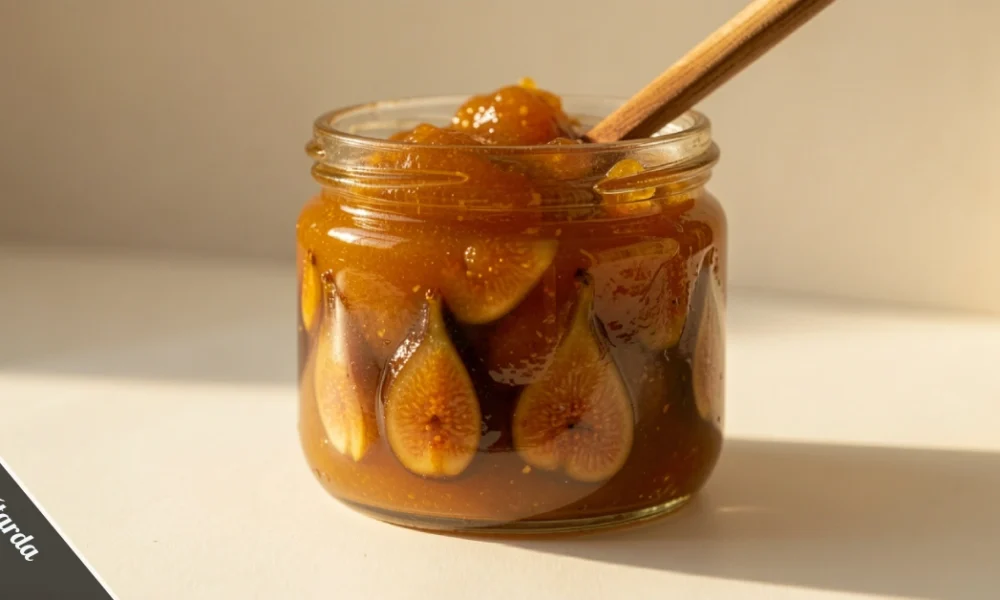
Muštarda is a thick, sweet-spicy preserve made with mustard seeds, grape must, and candied fruit—a Croatian specialty rooted in Samobor’s 200-year culinary tradition. Unlike French or German mustard, it combines fermented fruit with mustard’s sharp bite, making it an essential condiment for holiday meals, cheese boards, and cured meats across the Balkans.
Table Of Content
What Is Muštarda?
Muštarda is not the mustard you squeeze onto hot dogs. It’s a preserve—part condiment, part fruit spread—born from mixing mustard seeds with grape must, sugar, and candied fruit. The result looks like jam, tastes like a collision between sweet and savory, and cuts through rich foods in ways ordinary mustard never could.
In Croatia, muštarda belongs on the table next to roasted meat and aged cheese. In Italy, a similar condiment called mostarda holds the same place. But muštarda (Croatian) and mostarda (Italian) are distinct. Mostarda di Cremona relies on fresh fruit candied in mustard-infused syrup; muštarda uses grape must fermentation, giving it a deeper, more complex bite. The process matters. The origin matters. The family that makes it matters.
Muštarda is served year-round, but it belongs especially to winter meals. You’ll find it at Christmas dinners, on holiday platters, and at family gatherings where older relatives guard their jar carefully because no two batches taste exactly alike. This isn’t marketing nostalgia—it’s how food traditions actually work. Every household in Samobor has a slightly different recipe. Every jar tells a local story.
The Samobor Tradition
Samobor is a small town near Zagreb, Croatia, nestled in hills where grapes grew abundantly for centuries. In the late 1800s, someone—tradition credits the Filipec family—discovered that mustard seeds mixed with crushed grape harvest scraps and sugar created something worth preserving. This wasn’t an accident. It was deliberate alchemy. Grapes ripened in autumn; mustard seeds were cheap and available. The combination solved two problems: what to do with grape must (the leftover pulp and juice after pressing) and how to preserve taste through winter.
French military occupation in the region likely influenced the technique. The occupiers brought their condiment culture. Local cooks adapted it, using what grew in Samobor soil rather than importing Dijon methods. The result was uniquely Croatian—a condiment that makes sense in this place, with these crops, for these meals.
For two centuries, muštarda stayed mostly local. Families kept their recipes private. Mothers taught daughters. Jars moved as part of dowries, as gifts, as proof of household skill. The Filipec family became known for theirs. Podrumi Philipecz eventually bottled it commercially, but even commercial versions follow the same slow fermentation process that made the original work.
Today, muštarda is protected as a traditional food in Croatia. Making it requires grape must, mustard seeds, and time—not shortcuts, not artificial flavoring. The recognition matters because it stops the industry from diluting what muštarda is.
How Muštarda Is Made
Traditional muštarda starts with four base ingredients: mustard seeds (usually brown or black), grape must (the fermented juice and pulp of crushed grapes), sugar, and often candied fruit like figs or plums. Some recipes add vinegar, spices, or honey, but the core stays the same.
The process begins in autumn when grapes are harvested. Fresh must is fermented, allowing natural yeasts to work and acid to develop. This fermentation gives muštarda its complexity. You can’t replicate it by mixing vinegar into fruit jam. The time is non-negotiable. Fermentation takes weeks, sometimes months.
Once must is ready, it’s mixed with mustard seeds and sugar, then cooked down into a thick paste. Some makers add candied fruit at this stage; others layer it separately. The consistency should be spreadable but thick enough to hold shape on a spoon. The color shifts from golden-brown to deep amber as the paste caramelizes slightly.
Fermentation doesn’t stop after cooking. Muštarda continues to develop in the jar for months, and some batches taste better after a year. This is why homemade muštarda from an old family is prized—it’s been aging longer.
Commercial muštarda follows similar steps but in larger batches and with precise temperature control. The flavor changes slightly compared to small-batch kitchen versions, but the method remains grounded in tradition. Many commercial producers use grape must from the same Samobor region, maintaining authenticity.
Storing muštarda is simple. A sealed jar in a cool, dark place lasts two to three years. Once opened, refrigeration extends shelf life to six months or longer. Many households keep a jar open in the pantry during winter and finish it by spring. New jars arrive for the next harvest.
The Flavor Profile
Your first spoonful of muštarda surprises almost everyone. It’s sweet, then sharp, then fruity, then warm from mustard oil. The sweetness comes from grape sugars and added sugar; the sharpness comes from mustard’s volatile compounds; the fruitiness depends on what’s been candied into the batch.
Unlike French mustard, which aims for balance and subtlety, muštarda swings boldly. It’s assertive. It commands attention. You’re not supposed to eat it straight from the jar (though some people do). You’re supposed to use it as a flavor lever—a small spoonful that transforms what it touches.
This is why muštarda pairs so well with rich foods. Aged cheese can handle boldness. Cured meat needs contrast. Roasted fat benefits from sharp interruption. A bite of muštarda cuts through umami and salt, refreshes the palate, and makes the next bite taste different from the last.
The fermentation process adds complexity that you notice in a side-by-side comparison. A jar of candied fruit syrup tastes simple and uniform. A jar of muštarda tastes layered—sweet on the surface, then earth, then bite, then lingering warmth.
How to Use Muštarda
The traditional pairing is boiled beef. In Croatian cuisine, boiled meat is elevated by serving it with muštarda on the side. The meat’s plain, tender richness meets muštarda’s sharp sweetness, and they balance each other. This isn’t fancy; it’s kitchen logic.
Cheese boards benefit from muštarda more than from jams or chutneys. Aged cheddar, manchego, or any hard cheese works. Soft cheeses like brie or camembert do too—the sweetness softens the cheese’s intensity. Muštarda with a wedge of creamy goat cheese and dark bread is a complete meal.
Cured meats—prosciutto, pancetta, smoked ham—pair naturally. A thin slice of ham, a smear of muštarda, a piece of bread. This combination tastes intentional, not accidental.
Roasted pork chops, grilled lamb, roasted duck—all benefit from a small dollop. The same logic applies to roasted vegetables. A spoonful on the side of roasted root vegetables adds brightness.
Some cooks use muštarda as a glaze ingredient or fold it into sauces, but this requires care. The sweet-sharp balance changes when muštarda heats significantly. It’s best added at the end or served cold alongside.
Health & Nutrition
Mustard seeds contain compounds called glucosinolates, which break down into isothiocyanates—compounds with antimicrobial and potential anti-cancer properties. Fermented mustard seeds release these compounds more completely than raw seeds, making muštarda’s fermentation beneficial beyond taste.
Grape fermentation creates organic acids and probiotics (beneficial bacteria), improving digestion and supporting gut health. This is why muštarda sits so comfortably at traditional meals—it aids the digestion of rich meats and fats.
A single tablespoon of muštarda contains roughly 30-40 calories, mostly from sugar and fruit. The calorie density is similar to jam, but muštarda is used more sparingly because of its boldness. You don’t eat a sandwich of muštarda; you eat a spoonful alongside other foods.
The antioxidants in grape must and candied fruit contribute further. Fermentation concentrates these compounds. A jar of muštarda carries more antioxidant potential than the fresh fruit it started from.
For anyone managing blood sugar, the sugar content matters. Muštarda is not low-sugar. Portion control applies. But a small amount used as a condiment represents minimal impact on daily intake.
Finding & Storing Muštarda
Authentic Samboska muštarda appears increasingly in specialty food shops, European markets, and online retailers. Podrumi Philipecz remains the largest producer; their jars are recognizable and widely available. Look for labels that mention Samobor and traditional fermentation methods.
Price varies. Small-batch artisanal versions cost more than commercial bottlings. This reflects real differences in production time and ingredient sourcing. A jar should cost between $8 and $20, depending on size and maker.
If you have access to Croatian markets or family connections, homemade muštarda is worth seeking. The flavor diversity is remarkable—some batches lean sweet, others toward spice; some include plums or figs, others stay simple. Asking an older relative about their recipe often opens conversations worth having.
Making muštarda at home requires grape must, which is difficult to source outside wine regions. If you have access to fresh grape juice or must, basic recipes exist online. The process takes time, but no special equipment beyond a large pot, jars, and patience.
The Bottom Line
Muštarda is a window into how food traditions survive and matter. It’s not trendy or marketed as a superfood. It’s simply a preserve that makes meals better, tastes different from anything mass-produced, and connects you to a place and people if you understand where it comes from.
Keep a jar in your pantry. Serve it on your next cheese board. Use it at dinner. Share it with someone who’s never tasted muštarda before. Watch their reaction when the sweet hits first, then the sharp follows. That surprise is the whole point.

No Comment! Be the first one.