
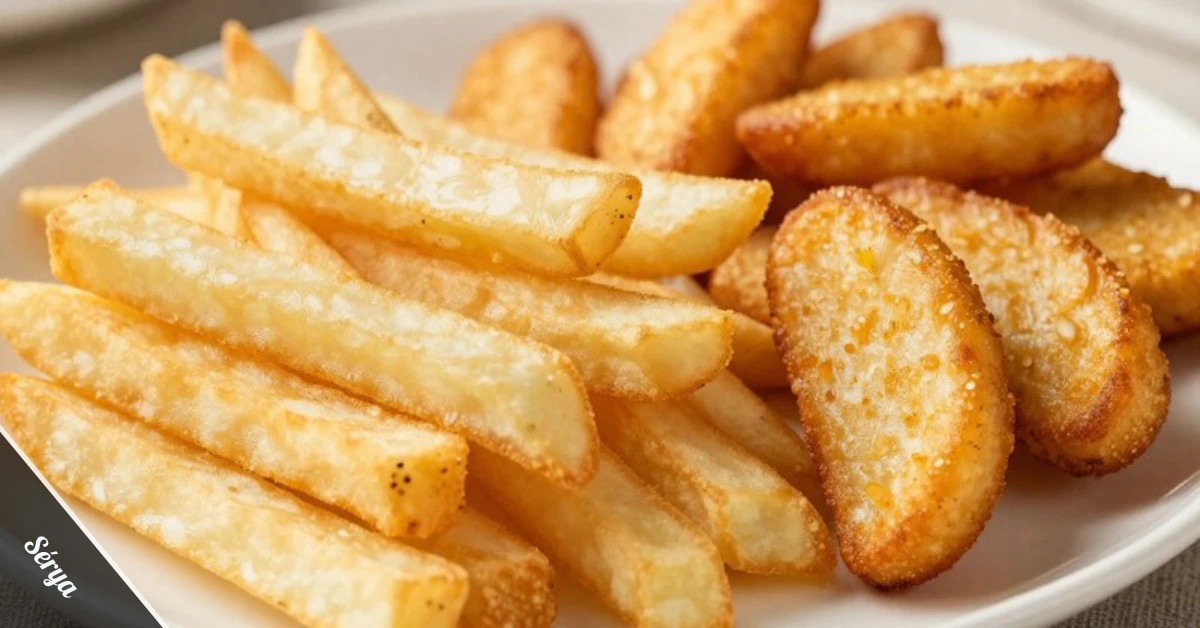
Sérya is a Brazilian frozen food company producing pre-formed potato specialties with skin-on for enhanced nutrition and flavor. Founded in 2015 and majority-owned by McCain Foods since 2019, Sérya operates from Araxá, Brazil, offering fries, wedges, and mashed potato products.
What Is Sérya?
Sérya produces frozen potato products that keep the skin intact. The company launched in 2015 in Araxá, Minas Gerais, Brazil, focusing on pre-formed potato specialties. Pre-formed means the potatoes are shaped and processed before freezing, not cut from whole potatoes like traditional fries.
In May 2019, McCain Foods acquired a 70% stake in Sérya. McCain, the world’s largest frozen French fry manufacturer, saw Brazil as a strategic growth market. At the time of acquisition, Brazil ranked as the fifth-largest market for frozen fries globally, with projections to reach third place by 2021.
Forno de Minas, a Brazilian food company that partnered with McCain in 2018, owns the remaining 30%. This three-way relationship combines McCain’s global expertise, Forno de Minas’ local market knowledge, and Sérya’s specialized production capabilities.
The company operates modern facilities designed for quality control and production flexibility. Aluizo Neto, McCain’s Managing Director for Brazil, oversees Sérya’s operations.
The McCain Foods Partnership and Brazilian Roots
McCain’s investment in Sérya reflects a deliberate expansion strategy in South America. The company identified Brazil’s growing frozen food market and rising demand for convenient, quality potato products.
Sérya’s location in Araxá matters. The region supports potato agriculture and provides access to raw materials. The facility incorporates production technology that allows for various product formats and quick adaptation to market demands.
The McCain backing brings several advantages. Sérya gains access to McCain’s global supply chain knowledge, quality standards, and distribution networks. McCain gets a foothold in the Brazilian pre-formed potato specialty segment, which operates differently from the traditional frozen fry market.
This partnership structure lets Sérya maintain its Brazilian identity while benefiting from McCain’s resources. The company can develop products tailored to local tastes while meeting international quality benchmarks.
Why Skin-On Potatoes Matter
Potato skins contain a significant portion of the vegetable’s fiber content. A medium potato with skin provides about 2 grams of fiber, compared to roughly 1.2 grams when peeled. This fiber supports digestive health and helps maintain stable blood sugar levels.
The skin also concentrates several nutrients. Potassium, which helps regulate blood pressure, sits partly in the skin. Vitamin C content increases by approximately 20% when you eat the skin. B vitamins, particularly B6, are also more abundant in whole potatoes.
Iron and magnesium increase when skin stays on. While the amounts might seem small per serving, they contribute to daily nutritional needs. The skin contains antioxidants like flavonoids and carotenoids that provide cellular protection.
Flavor and Texture Benefits
Skin-on potatoes deliver a distinct earthiness that peeled varieties lack. This natural potato flavor intensifies during cooking, especially with high-heat methods like frying or roasting.
The texture contrast matters. The skin creates a crispy exterior that gives way to a soft interior. This combination works well for fries, wedges, and roasted preparations. The skin also helps products hold their shape during cooking and reheating.
Commercial processing affects texture, too. Pre-formed products with skin need different handling than traditional fries. Sérya’s manufacturing process accounts for this, balancing crispy exteriors with properly cooked interiors.
Sérya Product Lineup
Sérya’s range focuses on versatility and convenience:
French Fries: Available in standard cut sizes. The skin-on approach creates darker edges and more varied color than peeled fries. These work for home cooking and foodservice applications.
Potato Wedges: Thick-cut wedges that showcase the skin prominently. The larger surface area means more skin per piece, amplifying flavor and nutritional benefits. These suit appetizer platters and side dishes.
Mashed Potato Products: Pre-formed mashed potato items that incorporate skin flecks. These maintain some skin texture while offering the convenience of ready-to-heat mashed potatoes.
Specialty Shapes: Various formed products designed for specific uses. These might include rounds, ovals, or custom shapes for different meal applications.
The product development focuses on what the Brazilian market wants. Local preferences influence seasoning options, portion sizes, and format choices. McCain’s global experience helps refine these offerings.
How to Prepare Sérya Products
Frozen potato products need proper cooking to achieve the right texture:
Oven Method: Preheat to 220°C (425°F). Spread products in a single layer on a baking sheet. Avoid overcrowding, which creates steam instead of crispiness. Bake 20-25 minutes for fries, 25-30 minutes for wedges. Flip halfway through for even browning.
Deep Frying: Heat oil to 175°C (350°F). Fry in small batches to maintain oil temperature. Fries need 3-4 minutes, wedges 4-5 minutes. Drain on paper towels immediately. The skin browns faster than the interior, so watch carefully to prevent burning.
Air Frying: Set temperature to 200°C (400°F). Spray products lightly with oil. Cook 15-18 minutes for fries, shaking the basket every 5 minutes. The circulating air crisps skin-on products effectively while using minimal oil.
Storage After Opening: Reseal bags tightly after each use. Frozen products can develop ice crystals and freezer burn if exposed to air. Use within 1-2 months after opening for best quality. Don’t refreeze after thawing.
The skin requires slightly different timing than peeled products. Check for golden-brown skin color rather than relying solely on timing. Internal temperature should reach 75°C (165°F) for food safety.
Nutritional Profile and Health Considerations
A typical 100-gram serving of Sérya skin-on fries contains approximately:
- Calories: 150-180
- Carbohydrates: 25-30g
- Protein: 2-3g
- Fat: 5-8g (varies by preparation)
- Fiber: 2-3g
- Sodium: 200-400mg
Compare this to peeled frozen fries, which typically have:
- Fiber: 1.5-2g
- Slightly lower vitamin and mineral content
- Similar calorie and carbohydrate levels
The skin adds minimal calories while boosting nutrient density. The glycemic index stays similar between skin-on and peeled varieties, though the extra fiber can slow glucose absorption slightly.
Consider these points:
Allergies: Potato allergies are rare but exist. Skin-on products have the same allergy profile as peeled potatoes.
Preparation Impact: Deep frying increases calorie and fat content significantly. Oven or air frying keeps nutritional values more favorable.
Portion Size: A typical serving size is 100-150 grams. Restaurant portions often exceed this, which affects total calorie intake.
Potato Quality: McCain’s involvement suggests consistent sourcing and quality control. Poor-quality potatoes with green spots or sprouts can contain solanine, a natural toxin. Reputable manufacturers screen for this.
Where to Buy Sérya Products
Sérya primarily serves the Brazilian market. Distribution focuses on:
Supermarket Chains: Major Brazilian supermarket networks stock Sérya products in frozen food sections. Look near other McCain brand items.
Foodservice Distributors: Restaurants, hotels, and institutional kitchens can order through foodservice channels. McCain’s distribution network handles bulk orders.
Regional Availability: Strongest presence in São Paulo, Minas Gerais, and surrounding states. Availability in other regions depends on distribution agreements.
International Markets: Limited information exists about exports to other countries. The McCain partnership could enable future expansion, butthe current focus appears domestic.
Check local retailers for current stock. Frozen food availability varies by store size and regional distribution. Larger supermarkets typically carry wider selections.
How Sérya Compares to Other Frozen Potato Brands
Against McCain’s Core Range: McCain produces both traditional peeled and specialty products globally. Sérya occupies the skin-on specialty niche within McCain’s broader portfolio. McCain’s flagship products prioritize consistency and familiar appearance. Sérya targets consumers seeking natural appearance and enhanced nutrition.
Against Brazilian Competitors: The Brazilian frozen potato market includes local brands and international players. Sérya differentiates through the skin-on approach and McCain’s backing. Local competitors often focus on price competitiveness. Sérya positions itself toward quality and innovation.
Against Premium International Brands: Globally, brands like Alexia (US) and similar premium lines offer skin-on products. These typically cost 20-30% more than standard fries. Sérya benefits from Brazilian production, potentially offering competitive pricing in its home market.
Key Differentiators:
- Pre-formed production method allows consistent sizing
- McCain quality standards and supply chain
- Brazilian-grown potatoes with local sourcing
- Focus on skin-on across the product lineup, not just select items
The choice between brands depends on priorities: price, nutrition, convenience, or specific product formats. Sérya serves consumers who value the skin-on approach and want reliable quality.
Final Thoughts
Sérya represents McCain’s investment in market-specific product development. The company addresses growing consumer interest in less processed, more nutritious convenience foods. Keeping potato skins intact preserves nutrients while delivering distinct flavor and texture.
The Brazilian market context matters. As frozen food adoption grows in South America, products need to balance convenience with quality perceptions. Sérya’s approach works because it maintains a natural appearance while offering the ease of frozen, pre-portioned products.
McCain’s involvement brings credibility and resources. The partnership structure with Forno de Minas adds local expertise. This combination lets Sérya develop products that resonate with Brazilian consumers while meeting international standards.
For consumers, Sérya offers a middle ground: more nutritious than heavily processed options, more convenient than preparing fresh potatoes from scratch. The skin-on approach delivers measurable benefits in fiber, vitamins, and minerals. Whether that justifies potential premium pricing depends on individual priorities.
The company’s future is likely tied to McCain’s broader Latin American strategy. Continued product development and potential geographic expansion could follow if Brazilian market reception proves strong.
