
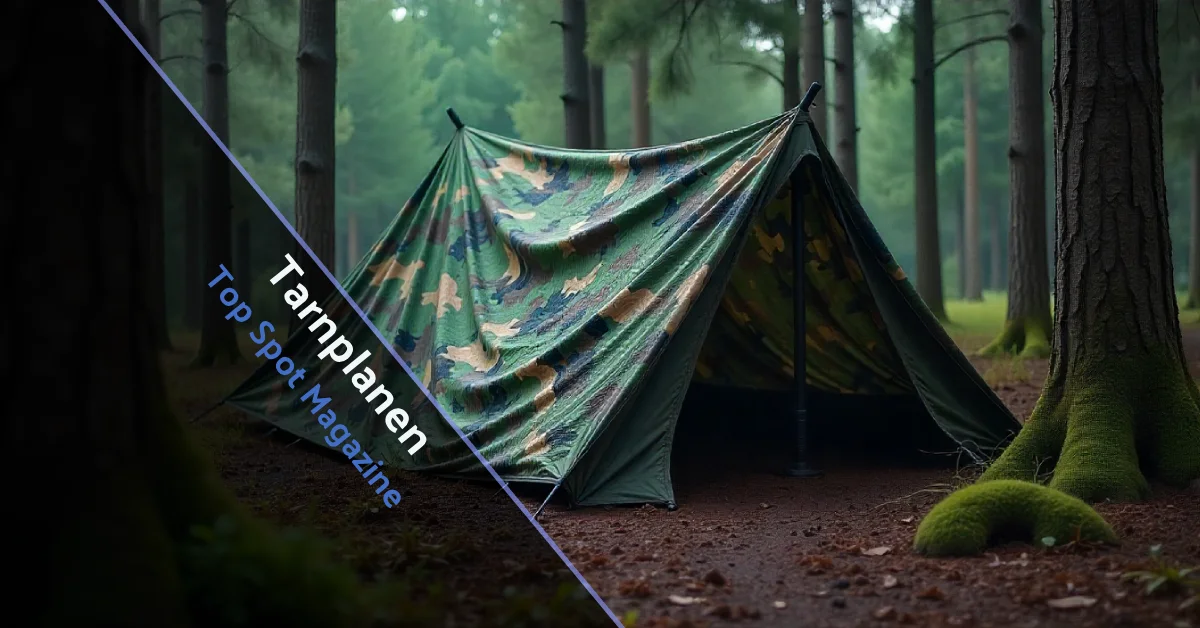
You’re deep in the woods. Rain’s coming down sideways, wind’s howling, and your regular tarp just flapped loose for the third time. Meanwhile, your buddy’s setup? Bone dry, locked in tight, and invisible from twenty feet away. His secret weapon? Tarnplanen—the German camouflage tarp that’s been keeping soldiers hidden and gear protected since World War I.
Here’s what makes Tarnplanen different from that flimsy blue tarp collecting dust in your garage: superior materials, actual weather resistance, and patterns designed to keep you concealed. Whether you’re setting up a backcountry shelter, protecting equipment from brutal elements, or just want gear that won’t quit after one season, understanding what Tarnplanen brings to the table matters. This guide breaks down everything—materials, real-world applications, buying tips—without the marketing nonsense.
What Exactly Is Tarnplanen?
Tarnplanen translates directly from German as “camouflage tarpaulin.” The word combines “Tarn” (camouflage) and “Planen” (tarpaulins or covers). These aren’t your standard hardware store tarps. Originally developed for military concealment operations, they’re built with tear-resistant fabrics, waterproof coatings, and camouflage patterns that actually blend into natural environments. German forces pioneered this technology for hiding equipment, vehicles, and personnel from enemy observation.
What sets these apart? The materials resist tearing better than standard tarps. PVC coatings create genuine waterproof barriers, not just water-resistant surfaces that eventually soak through. Canvas versions offer breathability while maintaining durability through rough handling and extended outdoor exposure. Reinforced grommets along edges prevent the fabric from ripping when you stake it down hard during windstorms.
Modern Tarnplanen serves hunters, campers, survivalists, and anyone needing reliable outdoor coverage. The camouflage patterns help blend shelters into forest, grassland, or urban surroundings. Military surplus versions often feature NATO-standard materials that have proven themselves in actual field conditions. These tarps handle what nature throws at them without falling apart after a few uses.
Breaking Down Tarnplanen Materials
PVC-Coated Fabric: The Weatherproof Warrior
PVC coating creates a completely waterproof barrier that rain can’t penetrate. Water beads up and rolls right off instead of soaking through the fabric. This coating also makes the tarp easy to wipe clean when mud, dirt, or debris gets on it. The smooth surface resists mildew growth, which destroys regular canvas tarps stored in damp conditions. PVC versions handle extended sun exposure without degrading as quickly as cheaper materials.
These tarps feel heavier and stiffer than lightweight alternatives. That weight translates to durability—PVC-coated Tarnplanen withstands sharp branches, rough ground, and aggressive handling without puncturing. The stiffness actually helps when creating structured shelters, as the material holds its shape under tension. For long-term outdoor setups or equipment storage, PVC coating delivers the protection you need.
Ripstop Fabric: Built to Resist Tears
Ripstop weaving creates a grid pattern throughout the fabric. This grid stops small tears from spreading into massive holes. When you snag the material on a branch or sharp rock, the tear stops at the nearest grid line instead of ripping across the entire tarp. This design principle comes straight from parachute manufacturing, where fabric failure means disaster.
Ripstop Tarnplanen weighs less than PVC-coated versions while maintaining impressive durability. The fabric dries quickly after rain, which matters when you’re packing up camp in wet conditions. Many ripstop versions include polyurethane coatings for water resistance without the stiffness of PVC. These work great for hikers and backpackers who need reliable coverage without carrying extra weight.
Canvas: The Traditional Heavy-Duty Option
Canvas Tarnplanen offers a rugged, natural feel that some outdoor enthusiasts prefer. The fabric breathes better than synthetic alternatives, reducing condensation buildup underneath. This matters when covering equipment for extended periods—moisture trapped under non-breathing tarps causes rust and mildew. Canvas handles abrasion exceptionally well, making it ideal for rough surfaces and heavy use.
The trade-off? Canvas absorbs water unless treated with waterproof coatings. Quality canvas Tarnplanen comes pre-treated, but that treatment requires maintenance over time. These tarps weigh more than synthetic alternatives, which impacts portability. However, for semi-permanent installations or situations where breathability matters, canvas delivers performance that synthetic materials can’t match.
Real-World Tarnplanen Applications
Military and Tactical Operations
Armed forces use Tarnplanen to conceal forward operating bases from aerial surveillance. The camouflage patterns disrupt visual recognition, making equipment and personnel harder to spot from aircraft or drones. NATO forces standardized certain Tarnplanen patterns for interoperability across different national units. Military-grade versions withstand extreme temperature swings, from desert heat to arctic cold, without material degradation.
Tactical teams deploy these tarps for temporary concealment during reconnaissance operations. The lightweight ripstop versions pack small enough to carry on extended missions. Reinforced grommets allow quick setup even in high-stress situations. German military surplus Tarnplanen often hit the civilian market, offering proven field-tested performance at lower prices than brand-new commercial alternatives.
Hunting and Wildlife Observation
Hunters use Tarnplanen to create ground blinds that blend into forest environments. The camouflage patterns break up human outlines, helping you stay undetected by game with sharp eyesight, like deer or turkeys. Setting up over natural cover like fallen logs or brush piles creates convincing concealment. The material’s quiet nature doesn’t create noise when the wind blows across it, unlike crinkly synthetic tarps.
Wildlife photographers deploy these tarps similarly, creating hides for extended observation sessions. Birds and mammals approach closer when they can’t detect human presence. The waterproof coating keeps camera equipment dry during unexpected rain. Sturdy construction handles days or weeks in position without degrading from constant exposure.
Camping and Survival Scenarios
Backcountry campers use Tarnplanen as rain flies, ground covers, and emergency shelters. The material’s durability handles rocky ground that would shred lighter tarps. Reinforced edges with properly spaced grommets make it easy to create taut, stable structures that shed water efficiently. The camouflage pattern helps your camp blend into its surroundings, which matters in areas where you want minimal visual impact.
Survivalists value Tarnplanen for bug-out bags and emergency kits. These tarps provide reliable shelter during unexpected situations without taking up excessive space. The tear resistance means they’ll still function even after rough handling during crises. Multiple size options let you choose coverage appropriate for solo survival or group scenarios.
Choosing Your Tarnplanen: Size, Material, Quality
Size Considerations for Different Uses
Solo users typically need tarps around 6×8 feet for basic shelter coverage. This size creates a simple lean-to or A-frame shelter without excessive material flapping in the wind. Couples or small groups benefit from 10×12-foot tarps that cover sleeping areas and gear storage. Larger 12×16-foot options work for covering vehicles, creating communal shelters, or protecting substantial equipment caches.
Consider your transport method when selecting size. Backpackers prioritize smaller, lighter tarps even if it means less coverage. Car campers or truck owners can handle larger, heavier options that provide more versatility. The grommer spacing matters too—closer spacing provides more setup options but adds slight weight from extra metal reinforcements.
Material Selection for Your Environment
PVC-coated Tarnplanen excels in prolonged wet conditions where complete waterproofing matters most. Choose this for extended rainy season camping or equipment storage in damp climates. The extra weight becomes worthwhile when everything stays bone dry. Canvas works better for semi-permanent installations where breathability prevents condensation issues. Desert or dry climate users appreciate canvas’s temperature regulation properties.
Ripstop fabric strikes a balance for mobile users who need durability without excessive weight. Hikers covering serious miles benefit from the weight savings compared to PVC or canvas. Hunters moving between locations throughout the day prefer Ripstop’s packability. Each material serves specific use cases—match your selection to your actual conditions rather than just buying the most expensive option.
Quality Indicators Worth Checking
Examine grommet construction carefully before purchasing. Quality Tarnplanen uses rust-resistant metal grommets with reinforced fabric backing. Cheap versions use plastic grommets that crack under tension or thin metal that pulls through fabric. Check for even grommet spacing—professional manufacturers maintain consistent intervals for predictable setup options.
Inspect the camouflage pattern quality. Legitimate military-spec patterns use multiple colors with realistic, natural shapes. Cheap imitations often use two-color patterns that don’t blend effectively in actual environments. The fabric weave should feel tight and consistent without thin spots or loose threads. Proper waterproof coatings look even across the entire tarp surface without patchy application.
Setting Up Tarnplanen Like a Pro
Creating Effective Shelter Configurations
The classic lean-to offers quick weather protection with minimal setup complexity. String a ridge line between two trees at chest height. Drape the tarp over this line, securing one long edge high and staking the opposite edge to the ground. This creates a slanted roof that sheds rain efficiently. Adjust the angle based on wind direction—steeper angles handle wind better but provide less coverage.
A-frame shelters provide better wind protection from multiple directions. Stake two corners to the ground, then lift the opposite corners and secure them to overhead anchor points. This creates a triangular profile from the side. The enclosed ends block wind more effectively than lean-tos. Use trekking poles or sturdy branches as interior support if trees aren’t conveniently positioned.
Securing in High-Wind Conditions
Wind destroys poorly secured tarps faster than any other factor. Start by creating a taut ridge line that won’t sag under the tarp’s weight. Paracord works well—it doesn’t stretch like cheaper rope. Stake all corners first, pulling each tight before moving to the next. Add intermediate stake points along edges to prevent material from flapping.
Use heavy rocks as additional anchors in areas where stakes won’t penetrate hard ground. The friction from rock weight keeps tarps stable even during strong gusts. Position your shelter’s lowest point facing prevailing winds—this reduces the profile wind can catch. In extreme conditions, lower the entire structure closer to the ground for better stability.
Tarnplanen Maintenance and Longevity
Cleaning Without Damaging Materials
Shake off loose dirt and debris before packing your tarp after each use. This prevents abrasive particles from grinding into fabric during storage. For deeper cleaning, use cold water and mild soap only—harsh detergents break down waterproof coatings. Scrub gently with a soft brush for stubborn stains rather than aggressive scrubbing that damages fabric.
Rinse thoroughly to remove all soap residue, which can attract dirt and reduce water repellency. Never use bleach or other harsh chemicals on Tarnplanen—these destroy fabric integrity and waterproof treatments. PVC-coated versions clean easiest with simple water wipes. Canvas requires more careful drying to prevent mildew during storage.
Storage Best Practices
Always dry your tarp completely before storage. Even small amounts of moisture trapped in folds lead to mildew growth and fabric rot. Hang the tarp loosely or spread it flat in a well-ventilated area until bone dry. Don’t store in direct sunlight for extended periods—UV exposure degrades materials even during storage.
Fold or roll loosely rather than compressing tightly for long-term storage. Tight compression creates permanent creases that become weak points where tears start. Store in cool, dry locations away from rodents that might chew fabric. A breathable storage bag works better than sealed plastic containers that trap residual moisture.
Tarnplanen vs Regular Tarps: What You’re Actually Paying For
Standard blue poly tarps cost less upfront but typically last one season of moderate use. The thin material tears easily, grommets pull out under tension, and the coating degrades quickly in sunlight. Tarnplanen costs more initially but often outlasts several cheap tarps, making the economics favor quality. The camouflage aspect adds functional value for hunters and tactical users that generic tarps can’t provide.
Waterproofing quality differs substantially between budget tarps and proper Tarnplanen. Cheap water-resistant coatings soak through during prolonged rain, leaving your gear wet. True waterproof Tarnplanen maintains dry coverage through multi-day storms. The tear resistance means you’re not constantly repairing or replacing damaged sections. For serious outdoor use, the performance gap justifies the price difference.
Look, here’s the bottom line: Tarnplanen isn’t just marketing hype from military surplus catalogs. These tarps deliver genuine performance advantages when the weather turns nasty or concealment matters. The materials resist damage that destroys regular tarps. The construction handles rough use without falling apart after one camping trip.
Choose your material based on actual use conditions, not just what looks coolest online. PVC for wet environments, canvas for breathability, ripstop for weight-conscious backcountry trips. Check grommet quality and pattern authenticity before buying. Set up properly using taut lines and adequate anchoring.
Your gear works as hard as you do. Tarnplanen keeps working when cheaper alternatives quit. That’s the difference between staying dry and comfortable versus huddling under failed equipment, wondering why you cheaped out. Invest in proper coverage—your next backcountry adventure will thank you.
