

Who Is Nara Smith? The Model Behind the Viral Cooking Phenomenon
Nara Smith is a former fashion model turned TikTok phenomenon, famous for her cinematic videos of cooking everything from bread to candy from scratch. Her serene depiction of domesticity has...

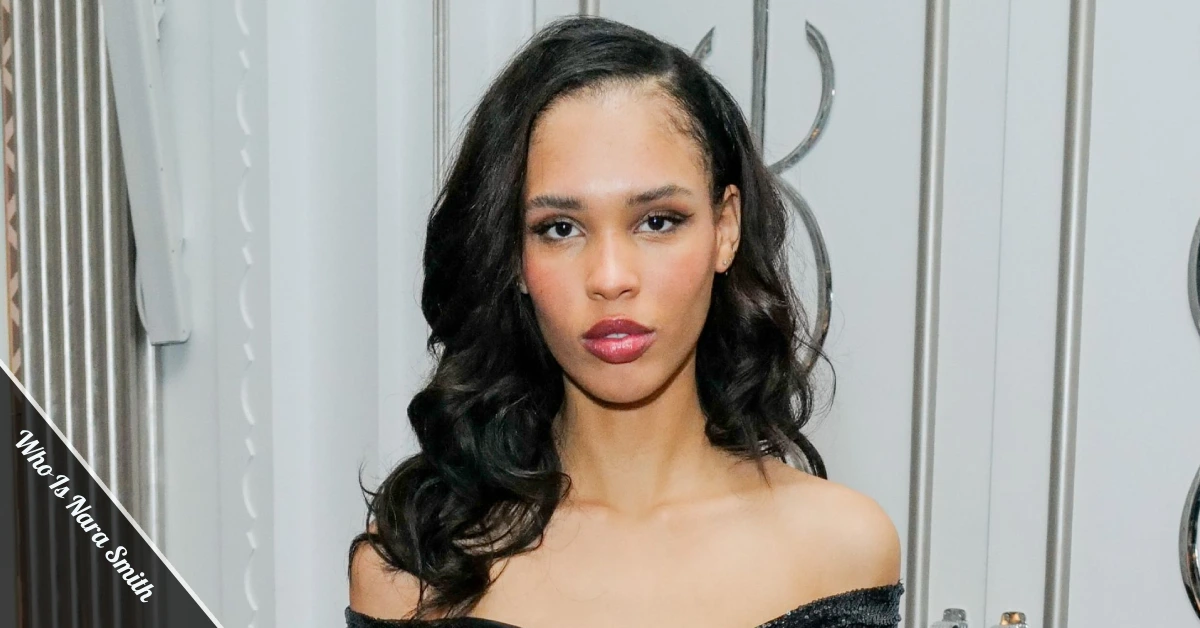
Nara Smith is a former fashion model turned TikTok phenomenon, famous for her cinematic videos of cooking everything from bread to candy from scratch. Her serene depiction of domesticity has captivated millions, placing her alongside other emerging Gen Z digital creators who are redefining online lifestyles. She is famous for her cinematic videos of cooking everything from bread to candy from scratch. Her serene depiction of domesticity has captivated millions, making her a central figure in discussions about Gen Z, motherhood, and the search for authenticity in the digital age.
Table Of Content
Her rise asks a compelling question: in a world obsessed with convenience, why are millions transfixed by someone making butter the hard way? The answer is a story about visual artistry, cultural timing, and the powerful allure of a carefully crafted fantasy.
More Than Lucky Blue Smith’s Wife
To label Nara Smith merely as the wife of model Lucky Blue Smith is to miss the foundation of her own unique story. Her path to internet fame was paved long before her marriage, built on a global upbringing and a keen eye for imagery.
Early Life and Modeling
Born Nara Aziza Pellmann in South Africa to a German father and a Namibian mother, she was raised primarily in Germany. This multicultural background is a subtle but key part of her persona, hinting at a worldview shaped by diverse perspectives. Her striking look—a blend of ethereal beauty and approachable warmth— catapulted her into the modeling world as a teenager. She signed with the prestigious agency IMG Models, walking runways and starring in campaigns for brands like Aritzia and Marc Jacobs. This period was her unofficial masterclass in branding, visual storytelling, and understanding what captures an audience’s gaze. It was at Milan Fashion Week in 2019 that she met her future husband, fellow model Lucky Blue Smith. They married in 2020 and quickly started a family.
Motherhood and Content Creation
With the arrival of her children—Rumble Honey, Slim Easy, and Whimsy Lou—Smith’s public focus shifted. She began sharing glimpses of her family life on TikTok and Instagram, where her deliberate approach to content creation quickly set her apart. Initially, her content was typical of the “mom influencer” genre. She gradually honed in on a specific niche: the process of cooking. Not just any cooking, but making every component from raw, basic ingredients. This wasn’t just sharing a recipe; it was documenting a slow, deliberate, and visually stunning act of creation. This pivot from fashion model to culinary storyteller was not a step down, but a strategic refocusing of her artistic skills on a new, domestic canvas.
Her rise asks a compelling question: in a world obsessed with convenience, why are millions transfixed by someone making butter the hard way? The answer is a story about visual artistry, cultural timing, and the powerful allure of a carefully crafted fantasy.
Deconstructing the Viral Recipe
The virality of Nara Smith’s videos is no accident. It is the result of a deliberate and expert application of technique, repurposed from one visual industry to another.
Forget shaky phone footage. Smith’s videos are mini-movies. Every frame is meticulously composed with soft, natural lighting. The sound design is pure ASMR—the crisp crack of an egg, the rhythmic scrape of a knife spreading homemade butter on warm bread, the quiet sizzle in a pan. There are no frantic cuts or loud music. The pacing is slow, methodical, and almost meditative. This creates a powerful sensory experience that stands in direct opposition to the chaotic, high-stimulus content that floods social media. It’s a visual oasis. As one culture critic from Vox noted, this style taps into a “hunger for slowness” online, offering a moment of calm that keeps viewers glued to the screen.
The Fantasy of Self-Reliance and Control
On a deeper level, her content sells a potent fantasy. In an era of processed foods, supply chain issues, and general global uncertainty, Smith presents a world of complete self-sufficiency and control. Watching her transform flour, water, and yeast into a perfect loaf, or milk and rennet into fresh cheese, provides a deep-seated satisfaction. It’s a form of aspirational escapism. While most viewers will never bake their own bagels from scratch, the video offers the soothing idea that it is possible—that one can create something pure, wholesome, and beautiful from simple beginnings. This taps into a Gen Z and millennial yearning for authenticity and tangible skills in an increasingly digital and automated world.
The “Tradwife” Debate and Her Cultural Footprint
This crafted fantasy is precisely what launched Smith into the center of a heated cultural debate. Her serene, domestic-focused content, often filmed in a lovely home while caring for her children, led many to place her under the “tradwife” (traditional wife) label—a term for women who publicly embrace a retrogressive, home-centered gender role.
The public reaction split sharply, revealing broader societal tensions:
| Viewpoint | Core Argument | What It Reveals |
|---|---|---|
| The Critique | Her content romanticizes a pre-feminist ideal, applying pressure on women and glossing over the hard labor of domestic work. | Anxiety about the erosion of feminist gains and the pressure of “aesthetic” perfection. |
| The Defense | She is simply showcasing a personal choice and a creative passion; judging her is anti-feminist. | A desire to defend personal autonomy in lifestyle choices. |
| Smith’s Response | She has explicitly rejected the “tradwife” label, stating she is a working mom, and her husband is an active partner. | The gap between perceived image and complex reality. |
This debate is less about Smith personally and more about what she represents as a screen for projection. Is she a beacon of nostalgic comfort, or a problematic ideal? Her work brilliantly exposes our ongoing cultural struggle to define modern womanhood, the value of domestic labor, and the line between personal choice and social statement.
Lasting Impact or Passing Trend?
Whether the fascination with Nara Smith endures, her impact on digital culture is already clear. She has pioneered a highly influential content style—the “slow living aesthetic”—that prioritizes calm, craft, and visual poetry over quick laughs or shocks. She proved that in the attention economy, slowness can be a superpower.
She has become a definitive case study in how internet fame works in the 2020s. It’s no longer just about being famous; it’s about becoming a “discussion platform”—a figure around which broader cultural conversations about gender, work, consumption, and authenticity can unfold. Her journey from the fashion runway to the kitchen counter demonstrates a new archetype: the creator as both artist and cultural lightning rod.
Nara Smith is more than a woman making candy. She is a mirror. The intense fascination and debate surrounding her reflect our collective desires for beauty, control, simplicity, and meaning—and our deep uncertainties about where to find them in the modern world.







No Comment! Be the first one.