

Who is Tfue? The Rise, Reign, and Retirement of Gaming’s Rebel Icon
You know the drill—someone drops a gamer tag, your younger cousin loses it, and you’re standing there like “who?” Enter Tfue. If you’ve never heard the name, buckle up. If you...

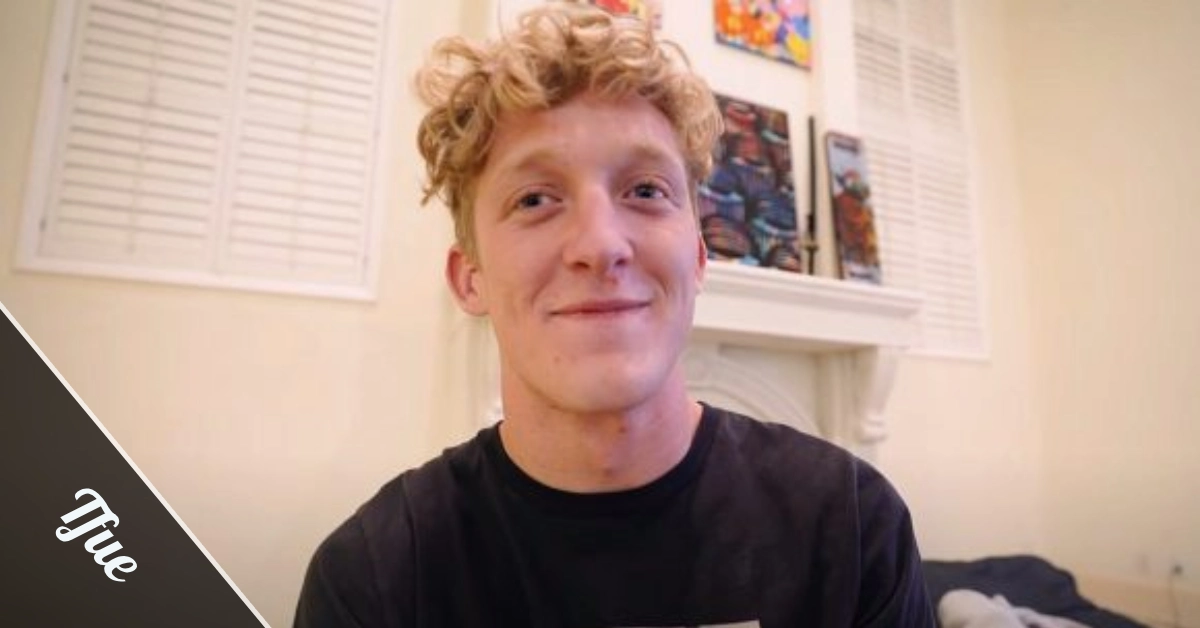
You know the drill—someone drops a gamer tag, your younger cousin loses it, and you’re standing there like “who?” Enter Tfue. If you’ve never heard the name, buckle up. If you have, you probably know he’s polarizing as hell. Either way, Turner Tenney built an empire streaming Fortnite, feuded with the biggest esports org on the planet, then peaced out at his peak.
Table Of Content
- Quick Facts: The Tfue Essentials
- From Skimboards to Headshots: Tfue’s Early Life
- The FaZe Clan Chapter: Rocket Ships and Red Flags
- Career Highlights: Tournament Wins and Twitch Dominance
- The Controversies: Bans, Slurs, and Backlash
- Personal Life: Family, Relationships, and the Tenney Brand
- Tfue Studios: The Next Chapter That Never Fully Launched
- The Retirement Announcement: Walking Away From Millions
- Legacy: What Tfue Changed in Gaming Culture
- Final Thoughts
This isn’t another “streamer made millions” puff piece. We’re breaking down who is Tfue, what made him different, and why his retirement sent shockwaves through Twitch. No fluff, no fanboy worship—just the facts and the controversy that followed him like a bad Fortnite storm circle.
Quick Facts: The Tfue Essentials
Real Name: Turner Tenney
Born: January 2, 1998 (Capricorn energy—make of that what you will)
Birthplace: Indian Rocks Beach, Florida
Age: 28 years old
Platform Dominance: 11 million Twitch followers, 11 million YouTube subscribers
Claim to Fame: Fortnite gameplay, FaZe Clan drama, tournament earnings north of $600,000
Status: Retired as of June 2023
Relationship History: Dated influencer Corinna Kopf in 2019
Family: Brother Jack Tenney runs JOOGSQUAD PPJT, a wildly popular YouTube channel
Tfue wasn’t just another gamer grinding ranked matches. He was the 8th most-watched Twitch channel in 2018, a time when Fortnite ruled the internet. His gameplay was sharp, his attitude was brash, and his willingness to call out industry BS made him both loved and hated. That combination? It prints money.
From Skimboards to Headshots: Tfue’s Early Life
Before Tfue became a household name in gaming, he was just Turner—a kid from a beach town with zero plans to sit in front of a monitor all day. Indian Rocks Beach isn’t exactly Silicon Valley. It’s a middle-class Florida community where surfing and skimboarding are the main attractions. Turner picked up skimboarding early, and he was damn good at it.
His older brother Jack started filming him at age 12 for YouTube content. That early exposure to cameras and content creation planted seeds Turner probably didn’t recognize then. By the time he was old enough to take gaming seriously, he already understood how to entertain an audience. That’s the advantage most late-blooming streamers never get.
Gaming wasn’t his first love, but it became his career path once Fortnite dropped. Turner’s natural reflexes translated well from action sports to first-person shooters. He started grinding Destiny gameplay on YouTube, building a modest following before pivoting hard into Fortnite when the battle royale genre exploded. Timing, skill, and a little luck—classic success recipe.
The FaZe Clan Chapter: Rocket Ships and Red Flags
Late spring 2018 marked the turning point. Tfue signed with FaZe Clan, one of the most prestigious esports organizations in the world. On paper, it was a dream deal. FaZe had resources, clout, and a mansion in the Hollywood Hills where content creators lived and collaborated. Turner called it “a dream come true” at the time.
His viewership skyrocketed almost immediately. Six-figure concurrent viewers became the norm during peak streams. His YouTube and Twitch subscriber counts climbed exponentially throughout that summer. Credit where it’s due—FaZe provided a platform, but Turner’s father, Richard, later said bluntly: “The kid was a rocket ship. Anybody could have jumped on.”
That quote foreshadowed the shitstorm to come. By May 2019, Tfue sued FaZe Clan, alleging predatory contract terms. The lawsuit claimed FaZe could take 80 percent of his sponsorship earnings. The case triggered industry-wide conversations about fair esports contracts, player rights, and the power imbalance between orgs and talent. FaZe disputed the claims, saying they only made $60,000 off Turner’s success.
Turner wasn’t buying it. He left Los Angeles, moved back to Florida, and continued competing with some FaZe members while the legal battle dragged on. The lawsuit wasn’t just about money—it was about setting a precedent for streamers who’d sign exploitative deals without understanding the fine print. Love him or hate him, Tfue forced the industry to confront its shady practices.
Career Highlights: Tournament Wins and Twitch Dominance
Who is Tfue without breaking down his competitive achievements? The dude wasn’t just popular—he could play. His Fortnite skills legitimized his viewership numbers. Casual players tuned in to watch someone who could consistently outbuild, outshoot, and outthink opponents in high-stakes matches.
| Achievement | Details |
|---|---|
| Tournament Earnings | Over $600,000 in prize money |
| Twitch Followers | 11 million (8th most-watched channel in 2018) |
| YouTube Subscribers | 11 million+ on Turner Tfue channel |
| Fortnite World Cup 2019 | Competed; team placed 7th in finals ($5,625 per member) |
| Sponsorship Offers | Reportedly offered $140,000 by EA for a single Madden stream |
His rivalry with Tyler “Ninja” Blevins added fuel to his rise. Beating Ninja in Fortnite matches earned Tfue serious credibility. Ninja was the mainstream face of gaming—Ellen appearances, ESPN covers, corporate polish. Tfue positioned himself as the edgier alternative. He once compared their dynamic to “Darth Vader and Anakin Skywalker,” with Ninja being the child-friendly Jedi and himself embracing the villain role.
That rebellious image worked. Brands willing to tolerate his rougher edges threw six-figure deals his way. Turner turned down streaming exclusivity offers from platforms like Mixer, Facebook Gaming, and YouTube, choosing instead to remain on Twitch without contracts limiting his freedom. His father Richard, confirmed they “turned down deals” to keep Turner focused on content quality over corporate handcuffs.
Tfue’s most-watched content included Destiny and Fortnite gameplay, but his appeal went beyond mechanical skill. Viewers liked his authenticity—or at least the appearance of it. He didn’t sanitize his personality for sponsors. He cursed, he raged, he said dumb shit sometimes. That rawness attracted an audience tired of overly produced, brand-safe streamers.
The Controversies: Bans, Slurs, and Backlash
Let’s not pretend Tfue’s career was squeaky clean. Multiple Twitch bans punctuated his rise. The first came after he used the word “coon” during a livestream. Tfue claimed he was using Southern slang for raccoon, referencing an opponent’s in-game character. Twitch didn’t see it that way. The term carries strong anti-black connotations, and context doesn’t always matter when you’re broadcasting to thousands.
Another ban followed for unconfirmed reasons. Then, in September 2019, he appeared to use a variation of the n-word during a Minecraft stream. Surprisingly, Twitch didn’t suspend him that time. The inconsistency in platform enforcement sparked debates about favoritism toward top-earning streamers. Critics accused Twitch of protecting cash cows while smaller creators got banned for less.
Epic Games also disciplined Tfue for violating Fortnite’s end-user agreement. He’d been selling in-game accounts and merchandise, which broke the rules. Turner released videos addressing most controversies, offering apologies and taking responsibility. His exact words: “Obviously, there are a few instances where I’ve said stupid things that I didn’t mean.”
The pattern was clear—Turner moved fast, spoke without filters, and occasionally paid the price. His defenders argued authenticity comes with rough edges. His detractors said he was reckless and irresponsible with a platform reaching millions of impressionable viewers. Both sides had valid points. The truth probably lives somewhere in the middle.
Still, the controversies never tanked his career. If anything, they reinforced his bad-boy brand. Fans who felt tired of sanitized content gravitated toward someone willing to push boundaries, even when it backfired. It’s the same dynamic that keeps controversial musicians, actors, and athletes relevant despite scandals.
Personal Life: Family, Relationships, and the Tenney Brand
Turner’s family played a massive role in his success. His older brother, Jack Tenney, built his own empire with JOOGSQUAD PPJT, a YouTube channel mixing stunts, pranks, and beach lifestyle content. Jack filmed Turner skimboarding at age 12, giving Turner early experience in front of cameras. That foundation proved invaluable when streaming became Turner’s full-time gig.
Their father, Richard Tenney, operates as a behind-the-scenes strategist, managing deals and helping shape long-term plans. Richard’s blunt assessment of FaZe Clan’s role in Turner’s rise showed he wasn’t afraid to speak candidly. The Tenney family dynamic resembles a small business more than a typical influencer family—everyone has a role, and they protect each other fiercely.
Turner also has siblings, Alexandra and Pierce. Family gatherings in Indian Rocks Beach apparently involve fish tacos, smoothie runs, and filming content together. It’s a tight-knit crew that stayed grounded despite millions in earnings and internet fame. That stability probably helped Turner avoid some of the pitfalls that derail young celebrities.
On the romantic front, Turner dated influencer Corinna Kopf in 2019. The relationship didn’t last long, and both moved on without public drama. Turner keeps his personal life relatively private now, at least compared to other high-profile streamers. He collaborates with friends like Edwin Meza, keeping his inner circle small and selective.
For those wondering who is Tfue beyond stats and scandals—he’s a 28-year-old who still loves surfing, fishing, skeet shooting, and jumping off tall things. He’s not trying to fit the gamer stereotype. His Instagram shows someone who balances screen time with outdoor activities. That duality makes him relatable to audiences who refuse to choose between gaming and active lifestyles.
Tfue Studios: The Next Chapter That Never Fully Launched
Before retirement, Turner announced plans for Tfue Studios—a 16,000-square-foot warehouse in Indian Rocks Beach designed as a content creation hub. The vision blended Rob Dyrdek’s Fantasy Factory with a streaming academy. Skate ramps, studio space, and equipment to help aspiring creators level up their channels. The facility aimed to teach fundamentals of growing followings while providing resources most solo creators can’t afford.
Richard Tenney mentioned online courses and mentorship programs for creators with 2,000 to 5,000 followers—the critical threshold where growth can accelerate. The warehouse featured mock-ups of SpongeBob character homes, a destroyed car, and Turner’s first vehicle, a big blue bus. Classic Tenney family energy—equal parts business and chaos.
The project showed ambition beyond personal streaming. Turner wanted to shape the industry that made him rich. Whether out of genuine altruism or savvy business positioning, Tfue Studios represented a pivot toward legacy building. Unfortunately, the retirement announcement in June 2023 put those plans in limbo. The warehouse exists, but its future remains unclear.
The Retirement Announcement: Walking Away From Millions
June 2023 shocked the gaming world. Turner Tenney, the most-watched streamer on Twitch after Ninja’s departure, announced his retirement. No dramatic explanation, no burning bridges—just done. For someone who built an empire grinding 12-hour streams, the decision seemed abrupt. But Turner’s pattern throughout his career involved zigging when everyone expected a zag.
Why retire at 25 with millions in the bank and endless earning potential? Turner hasn’t given detailed interviews explaining the decision. Speculation ranges from burnout to shifting priorities. Streaming demands brutal consistency—daily content, constant engagement, zero privacy. Maybe Turner simply got tired of performing for an audience that never stops demanding more.
His retirement impacted Twitch’s ecosystem immediately. Other streamers absorbed his audience share, but nobody replicated his exact appeal. The platform lost its most-watched creator to simple disinterest rather than contract disputes or platform migration. That’s almost unheard of in an industry where creators squeeze every dollar before stepping back.
Legacy: What Tfue Changed in Gaming Culture
Who is Tfue in the grand scheme of gaming history? He’s the streamer who proved edgy authenticity could rival corporate polish. While Ninja dominated mainstream media with safe branding, Turner carved out space for creators who refused to sanitize their personalities. Both approaches worked, showing the industry could support multiple archetypes.
His FaZe Clan lawsuit forced uncomfortable conversations about player exploitation. Esports organizations had operated with minimal oversight, offering young creators contracts they didn’t fully understand. Turner’s willingness to publicly fight back empowered other streamers to demand better terms. That impact extends beyond his personal grievances—it potentially protected thousands of creators from predatory deals.
Turner also demonstrated that streaming success doesn’t require relocating to Los Angeles or joining content houses. He thrived in Florida, maintaining connections to his roots while competing at the highest levels. That geographic flexibility inspired creators in smaller markets to believe location doesn’t determine potential.
His retirement set another precedent: walking away on your own terms. Most streamers fade gradually, losing relevance before admitting defeat. Turner left while still dominant. Whether that’s wisdom or wasted opportunity depends on your perspective. Either way, it’s a power move few creators have the confidence to make.
Final Thoughts
Tfue’s story resists simple narratives. He’s not a pure hero or villain—he’s a talented, flawed person who capitalized on perfect timing and refused to play by rules he didn’t write. His gameplay was elite, his business instincts sharp, and his mouth occasionally got him in trouble. That’s the reality of most successful people if you look closely enough.
For fans who followed his rise, Tfue represented something gaming rarely offered—unfiltered talent without corporate handlers. For critics, he embodied everything wrong with influencer culture: entitlement, controversy-courting, and privileges afforded to those who generate revenue. Both groups probably have valid points.
What’s undeniable is his impact. From Indian Rocks Beach to Twitch’s number-one spot, Turner Tenney reshaped expectations for what streamers could achieve and how they could maintain control over their careers. The lawsuit, the controversies, the retirement—all decisions that prioritized autonomy over easy money.
Who is Tfue? He’s the gamer who proved you don’t need permission to be yourself—even when that self costs you sponsorships, platform bans, and public approval. In an industry increasingly dominated by polished personalities reading corporate scripts, that stubbornness feels almost radical. Whether you respect it or reject it, you can’t ignore it.

No Comment! Be the first one.