

Who is xQc? The Twitch King Who Went From Esports Pro to Streaming Legend
You’ve probably seen the name xQc pop up on Twitch, Twitter, or YouTube. Maybe you caught a clip of him yelling at his monitor or watched him pull off some wild GTA roleplay. Either way,...

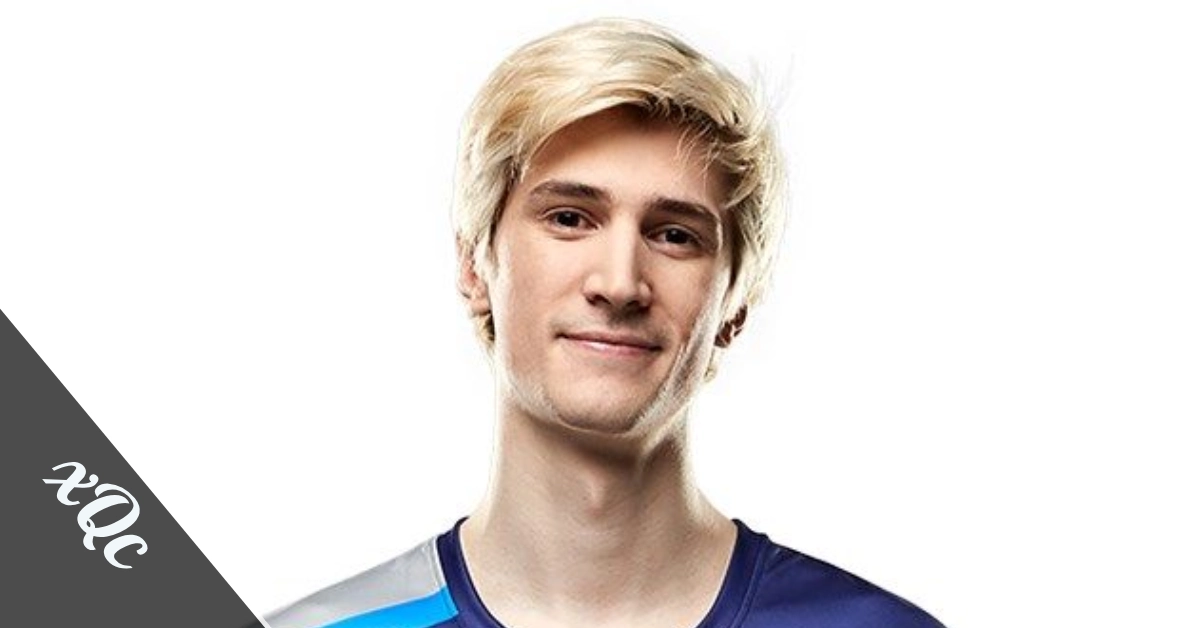
You’ve probably seen the name xQc pop up on Twitch, Twitter, or YouTube. Maybe you caught a clip of him yelling at his monitor or watched him pull off some wild GTA roleplay. Either way, you’re curious about who this guy really is.
Table Of Content
- The Early Days: From Quebec Kid to Overwatch Pro
- Dallas Fuel and the Overwatch League Drama
- Becoming a Full-Time Twitch Juggernaut
- GTA Roleplay and the NoPixel Saga
- Twitch Suspensions and Controversies
- The Gambling Controversy That Split His Community
- xQc’s Unexpected Chess Journey
- Why xQc Became a Cultural Icon
- The Bottom Line on xQc
Félix Lengyel, better known as xQc, ranks among the biggest personalities on Twitch today. He’s not just another streamer grinding out content. This dude built an empire by being unapologetically himself, streaming nearly nine hours daily, and never holding back what’s on his mind.
Born in Laval, Quebec, on November 12, 1995, xQc started as a professional Overwatch player before transitioning into full-time streaming. His journey from competitive esports to becoming one of the most-watched streamers ever is packed with drama, bans, comebacks, and millions of devoted fans.
Let’s break down everything you need to know about xQc.
The Early Days: From Quebec Kid to Overwatch Pro
xQc grew up in Quebec, Canada, where he was your typical energetic kid who loved biking and filming tricks on his digital camera. He admits he was a bit of a troublemaker back then. One time, he got called to the principal’s office for taping a bunch of pens together and breaking them.
His streaming name comes from his first name ending in X and the abbreviation for Quebec. Simple, memorable, and it stuck. Before Overwatch took over his life, xQc briefly tried League of Legends but didn’t find his groove there.
Everything changed when Blizzard dropped Overwatch in 2016. xQc dove headfirst into the team-based shooter and quickly proved he was one of the best tank players in the world. His aggressive playstyle and insane game sense caught the attention of professional teams almost immediately.
Denial Esports picked him up in October 2016. His DatZit Gaming team won tournaments in Montreal, establishing xQc as a rising star in competitive gaming. From 2017 to 2019, he led Team Canada in the Overwatch World Cup, even snagging the MVP award in 2017 when Canada finished second.
Dallas Fuel and the Overwatch League Drama
The Overwatch League launched in 2017, bringing franchised esports to a global stage. Dallas Fuel announced in October 2017 that they’d signed xQc to their roster. Fans were hyped. Here was this talented, loud, entertaining player joining one of the biggest teams in the league.
But his time with the Dallas Fuel turned into a mess pretty quickly. xQc got suspended twice by the Overwatch League for things he said on stream. The first suspension came after he used the Trihard 7 emote in Twitch chat during a stream, which many viewed as racially insensitive timing. The second suspension followed after he directed a homophobic slur at another player.
Dallas Fuel and xQc parted ways in March 2018. His professional Overwatch career was basically over, but streaming was about to blow up for him. He continued playing for Team Canada at the Overwatch World Cup through 2019 and briefly joined Gladiators Legion as a substitute player in the Overwatch Contenders league before that team disbanded in 2020.
Those suspensions could’ve ended his career. Instead, they pushed him toward what he was always meant to do: full-time streaming where he could be himself without corporate restraints.
Becoming a Full-Time Twitch Juggernaut
After leaving Dallas Fuel, xQc went all-in on streaming. His Twitch channel, created in 2016, started gaining serious traction. By January 2019, he’d crossed one million followers and was averaging around 15,000 concurrent viewers per stream.
The numbers just kept climbing. From January to June 2021, xQc was the most-watched streamer on the entire platform. His channel hit nine million followers, racked up over 400 million total views, and logged more than 15,000 hours of streaming. According to Rainmaker.gg, he pulled nearly 15 million hours of watch time in July 2021 alone.
What makes his streams so addictive? It’s the raw, unfiltered energy. You might watch him grind ranked Overwatch one minute, then switch to Among Us, Fortnite, League of Legends, or Call of Duty the next. He’s played over 50 different games on his channel, keeping content fresh and unpredictable.
xQc also loves reacting to YouTube videos, watching cringe compilations, and diving into whatever drama is bubbling up in the streaming community. His streams regularly run for nine hours, sometimes longer. Dude has stamina.
His personality is what separates him from other streamers. xQc says whatever’s on his mind, which means you get genuine reactions, hot takes, and plenty of moments where he goes off on teammates or gets tilted. He’s not trying to be polished or family-friendly. That authenticity resonates with millions of viewers who are tired of overly sanitized content.
GTA Roleplay and the NoPixel Saga
When Grand Theft Auto V roleplay servers started blowing up on Twitch, xQc jumped in headfirst. The NoPixel server became his new obsession, and his character Jean Paul became legendary for all the wrong reasons.
NoPixel is a private GTA V roleplay server where streamers create characters and interact in a massive multiplayer world. There are cops, criminals, business owners, and everything in between. The rules are strict: stay in character, follow server guidelines, and don’t break immersion.
xQc struggled with those rules. A lot. He’s been banned from NoPixel at least five times for things like breaking character, arguing with admins, and bending server rules. His character, Jean Paul, was a bank robber who constantly got into conflicts with other players, especially cops.
Despite the bans and drama, xQc’s GTA roleplay streams pulled massive viewership. Fans loved watching him navigate the chaos, even when he was clearly frustrated. The NoPixel community grew significantly thanks to his involvement, proving that even controversy can drive engagement and interest.
He also played a cop character named Pierre Paul occasionally, though his criminal roleplay got way more attention. The cycle of getting banned, coming back, and getting banned again became part of the xQc streaming experience.
Twitch Suspensions and Controversies
xQc’s streaming career hasn’t been smooth sailing. His Twitch channel has been suspended multiple times for violating community guidelines, and each suspension sparked debates across the platform.
In February 2020, he got a three-day suspension for watching nudity in an adult-themed game on stream. In June 2020, he caught a 24-hour ban for watching a video of gorillas mating. Then in November 2020, he received a seven-day suspension for stream sniping during a Twitch-sponsored Fall Guys tournament, which means he was watching another streamer’s feed to gain an in-game advantage.
His most high-profile suspension came in July 2021 when the International Olympic Committee issued a copyright strike after he streamed Olympic coverage. Twitch briefly banned his account, but it was reinstated quickly. xQc and his lawyer, Ryan Morrison, filed a counterclaim, arguing fair use, though the outcome remained unclear.
These suspensions never really hurt his popularity. If anything, they made him more talked about. His fans rallied around him every time, and viewership would spike when he returned from a ban. The drama became part of his brand.
The Gambling Controversy That Split His Community
In April 2021, xQc started streaming gambling content using virtual slot machines on Stake.com, a cryptocurrency-based gambling site. His first gambling stream pulled over 125,000 concurrent viewers, and he had his own promotional code for viewers to use on the platform.
The backlash was immediate and intense. Critics argued that streaming gambling content to an audience that includes younger viewers was irresponsible. They pointed out that xQc’s influence could encourage gambling addiction among impressionable fans.
On June 23, 2021, xQc announced he was done with gambling streams. He admitted that he gets addicted to things very easily and recognized the negative impact these streams had on his community. The decision showed some self-awareness, even if the initial choice to stream gambling was questionable.
The gambling saga highlighted a bigger issue in the streaming world: where to draw the line on sponsored content. Many top streamers faced similar criticism for promoting gambling sites, and the debate continues today.
xQc’s Unexpected Chess Journey
In March 2020, xQc started playing chess, and it turned into one of the most unexpected storylines in his career. His games caught the attention of GM Hikaru Nakamura, one of the best chess players in the world, who also streams on Twitch.
Their collaborations helped fuel the online chess boom of 2020. Media outlets from Fast Company to Wired to The New York Times covered how streamers like xQc brought chess to mainstream audiences. Chess.com capitalized on this trend by launching PogChamps, a tournament featuring popular streamers.
xQc competed in the first three PogChamps tournaments. He didn’t win, but his participation brought massive viewership and helped legitimize chess as entertaining streaming content. His Chess.com rapid rating improved from under 900 to over 1200, showing genuine dedication to improving.
Chess.com even released an xQc bot that players could challenge in their computer mode. His involvement with Luminosity Gaming as a partner helped solidify his status as a multi-platform content creator beyond just gaming streams.
Why xQc Became a Cultural Icon
So who is xQc really, and why does he matter in the bigger picture of internet culture? He represents a shift in how audiences consume entertainment. Traditional media can’t compete with the raw, unfiltered access that streamers provide.
xQc streams nearly every day for hours on end. His fans feel like they know him personally because they’ve watched him through victories, defeats, rages, and moments of genuine vulnerability. That parasocial connection drives loyalty that traditional celebrities can’t replicate.
He’s also proof that you don’t need to be polished or advertiser-friendly to succeed. His success came from being authentically himself, even when that authenticity got him in trouble. In an era of carefully curated social media personas, xQc stands out for better or worse.
His influence extends beyond Twitch. Clips from his streams go viral on YouTube, TikTok, and Twitter regularly. He’s become a meme factory, with moments from his streams getting remixed and shared across the internet. That kind of organic reach is invaluable.
The Bottom Line on xQc
Félix Lengyel went from a troublemaking kid in Quebec to one of the most influential streamers on the planet. His journey included professional esports success, multiple suspensions, record-breaking viewership numbers, and enough controversies to fill a documentary series.
Whether you love him or find him exhausting, xQc changed the streaming landscape. He proved that personality matters more than polish and that audiences will forgive mistakes if you’re genuine. His nearly 10 million followers on Twitch aren’t going anywhere, and neither is he.
If you’ve never watched an xQc stream, you’re missing a chaotic, entertaining, and unpredictable experience that represents exactly what makes modern streaming culture so compelling. Just don’t expect him to hold back.



No Comment! Be the first one.